

Mon – Fri: 07:00 – 17:00
Weekends: By appointment
Holidays: By appointment
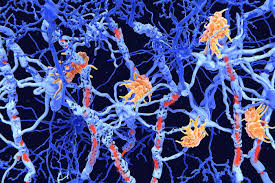
Multiple Sclerosis
Multiple sclerosis (MS) is a chronic autoimmune disease that affects the central nervous system, including the brain, spinal cord, and optic nerves. It is a complex disease that can cause a range of symptoms and functional impairments. Here are some key points to understand about multiple sclerosis:
Causes
The exact cause of multiple sclerosis is not yet fully understood, but researchers believe that a combination of genetic and environmental factors may play a role in its development. Some triggers that have been linked to multiple sclerosis include:
– Genetics
– Autoimmune disorders
– Viral infections
– Environmental factors
Symptoms
The symptoms of multiple sclerosis can vary widely depending on the location and severity of the damage to the central nervous system. Some common symptoms include:
– Fatigue
– Blurred or double vision
– Numbness or tingling in the limbs
– Muscle weakness or stiffness
– Difficulty with coordination and balance
– Cognitive changes, such as memory loss or difficulty concentrating
– Emotional changes, such as depression or anxiety
Diagnosis and Treatment
Diagnosing multiple sclerosis typically involves a combination of medical history, physical examination, and diagnostic tests such as magnetic resonance imaging (MRI) and spinal tap. Treatment for multiple sclerosis involves managing symptoms and slowing the progression of the disease. This can include medications, physical therapy, and lifestyle changes such as diet and exercise.
Complications
If left untreated, multiple sclerosis can lead to a range of complications, including:
– Mobility problems
– Bladder and bowel dysfunction
– Sexual dysfunction
– Cognitive impairment
– Depression and anxiety
– Increased risk of infections
It is important to note that with proper management, many people with multiple sclerosis are able to lead full and active lives. If you suspect that you may have multiple sclerosis, it is important to speak with your doctor to receive an accurate diagnosis and appropriate treatment.
Types of Multiples sclerosis
Multiple sclerosis (MS) is a chronic autoimmune disease that affects the central nervous system, including the brain, spinal cord, and optic nerves. There are different types of MS, which are named according to the way the disease acts on the body over time. Here are the different types of MS:
- Relapsing-Remitting MS (RRMS) – This is the most common type of MS, affecting about 85% of people with MS. It is defined by temporary periods called relapses, flare-ups, or exacerbations, when new symptoms appear. Individuals with this MS type experience clearly defined attacks of worsening neurologic condition. Relapses, or flare-up attacks, occur followed by partial or complete recovery periods. No disease progression occurs during recovery periods.
- Primary-Progressive MS (PPMS) – This type of MS affects about 10% of people with MS. Individuals with PPMS experience a steady worsening of symptoms over time, without any relapses or remissions. Individuals may or may not experience some recovery following relapses, but the disease continues to progress.
- Secondary-Progressive MS (SPMS) – This type of MS typically follows relapsing-remitting MS. Individuals with SPMS experience a steady worsening of symptoms over time, with or without relapses or remissions.
- Clinically Isolated Syndrome (CIS) – This is a single episode of neurologic symptoms that lasts at least 24 hours and is caused by inflammation or demyelination in the central nervous system. Not all people who have CIS go on to develop MS, but a person with CIS has a high likelihood of a second episode of neurologic symptoms and a diagnosis of relapsing-remitting MS if an MRI shows brain lesions that are similar to those seen in MS.
It is important to note that everyone experiences MS differently, depending on where attacks to the central nervous system occur and the type of MS they have. The progress, severity, and specific symptoms of MS cannot be predicted. If you suspect that you may have MS, it is important to speak with your doctor to receive an accurate diagnosis and appropriate treatment.
Conventional treatment options
Multiple sclerosis (MS) is a chronic autoimmune disease that affects the central nervous system, including the brain, spinal cord, and optic nerves. There is no cure for MS, but there are several treatment options available to help manage the disease. Here are some of the treatment options for multiple sclerosis:
Disease-Modifying Therapies
Disease-modifying therapies (DMTs) are medications that are designed to slow the progression of MS and reduce the frequency and severity of relapses. These medications work by modifying the immune system to reduce inflammation and prevent damage to the nervous system. Some examples of DMTs include:
– Interferon beta-1a
– Interferon beta-1b
– Glatiramer acetate
– Fingolimod
– Teriflunomide
– Dimethyl fumarate
– Natalizumab
– Alemtuzumab
– Ocrelizumab
Symptomatic Treatments
Symptomatic treatments are medications that are used to manage specific symptoms associated with MS, such as fatigue, muscle spasms, and bladder dysfunction. Some examples of symptomatic treatments include:
– Muscle relaxants
– Medications to reduce fatigue
– Medications to improve bladder function
– Antidepressants
– Physical therapy
– Occupational therapy
Lifestyle Modifications
Lifestyle modifications can also help manage MS symptoms and improve overall quality of life. Some examples of lifestyle modifications include:
– Regular exercise
– Healthy diet
– Stress management techniques
– Adequate sleep
– Avoiding smoking and excessive alcohol consumption
It is important to note that the treatment plan for MS will vary depending on the individual and the specific symptoms they are experiencing. Consult with a healthcare provider to develop a personalized treatment plan that includes both conventional and alternative therapies. Additionally, clinical trials are ongoing to explore new treatment options for MS.
Homeopathic treatment options
It is important to note that there is limited scientific evidence to support the use of homeopathic remedies in the treatment of multiple sclerosis (MS). While some people may find homeopathic treatments helpful in managing their symptoms, it is important to consult with a healthcare provider before trying any new remedies or supplements. Here are some homeopathic remedies that have been suggested for MS:
- Plumbum – This remedy is used to treat muscle weakness and spasticity in people with MS.
- Causticum – This remedy is used to treat bladder symptoms and urinary retention in people with MS.
- Physostigma & Gelsemium – These remedies are used to treat MS with prominent eye symptoms.
- Oxalic Acid & Picric Acid – These remedies are used to treat numbness, tingling, and pin/needle-like sensations in people with MS.
- Conium & Argentum Nitricum – These remedies are used to treat weakness in lower limbs in people with MS.
It is important to note that homeopathic remedies should not replace conventional medicine in the treatment of MS. Consult with a healthcare provider to develop a personalized treatment plan that includes both conventional and alternative therapies. Additionally, lifestyle changes such as regular exercise, healthy diet, stress management techniques, and adequate sleep can also help manage MS symptoms.
- Lifestyle changes
Lifestyle changes can help manage multiple sclerosis (MS) symptoms and improve overall quality of life. Here are some lifestyle changes that may help manage MS:
6.1. Eat a healthy diet
Eating a healthy diet can help manage MS symptoms and improve overall health. A diet that is high in fruits, vegetables, whole grains, and lean protein can help reduce inflammation and improve energy levels. Some studies suggest that a low-fat, plant-based diet may be particularly beneficial for people with MS.
6.2. Exercise regularly
Regular exercise can help manage MS symptoms and improve overall fitness. Exercise can help improve balance, flexibility, and strength, as well as reduce fatigue and depression. Some examples of exercises that may be beneficial for people with MS include yoga, swimming, and strength training.
6.3. Stop smoking
Smoking can worsen MS symptoms and increase the risk of complications. Quitting smoking can help improve lung function, reduce inflammation, and improve overall health.
6.4. Reduce alcohol consumption
Drinking alcohol can worsen MS symptoms and increase the risk of complications. Reducing alcohol consumption or avoiding it altogether can help improve overall health and reduce the risk of complications.
6.5. Manage stress
Stress can worsen MS symptoms and increase the risk of relapses. Managing stress through techniques such as meditation, deep breathing, and yoga can help reduce stress and improve overall well-being.
6.6. Get enough sleep
Getting enough sleep is important for managing MS symptoms and improving overall health. Aim for 7-9 hours of sleep per night and establish a regular sleep routine to help improve sleep quality.
It is important to note that lifestyle changes alone are not enough to manage MS. Consult with a healthcare provider to develop a personalized treatment plan that includes both conventional and alternative therapies. Additionally, disease-modifying therapies (DMTs) are medications that are designed to slow the progression of MS and reduce the frequency and severity of relapses. These medications work by modifying the immune system to reduce inflammation and prevent damage to the nervous system.
-
Health supplements
There are some supplements that may be helpful for managing multiple sclerosis (MS) symptoms. However, it is important to note that supplements should not replace conventional medicine in the treatment of MS. Consult with a healthcare provider before trying any new supplements or alternative therapies. Here are some supplements that may be helpful for managing MS symptoms:
7.1. Biotin
Biotin, a B vitamin, has been shown to improve disability and walking ability in people with progressive MS.
7.2. Vitamin D
Vitamin D deficiency has been linked to an increased risk of MS and may worsen MS symptoms. Taking vitamin D supplements may help manage MS symptoms and improve overall health.
7.3. Omega-3 fatty acids
Omega-3 fatty acids, found in fish oil supplements, may help reduce inflammation and improve cognitive function in people with MS.
7.4. Antioxidants
Antioxidants, such as vitamin E and vitamin C, may help reduce oxidative stress and inflammation in people with MS.
7.5. Ashwagandha
Ashwagandha is an Ayurvedic herb that has been shown to reduce stress and fatigue in people with MS.
7.6. Calcium
Calcium supplements may help manage MS symptoms by reducing the risk of bone loss and fractures.
7.7. Ginger
Ginger supplements may help manage MS symptoms such as nausea and vomiting.
It is important to note that the effectiveness of supplements in managing MS symptoms is not yet fully understood. Additionally, some supplements may interact with medications or have side effects. Consult with a healthcare provider before trying any new supplements or alternative therapies.
Tags: Autoimmune, Explained, Holistic, Homeopathy, MS, Multiple sclerosis, Natural, Understanding
Category: Autoimmune, Neurological Disorder
Search
contact info
Related Posts
 Epilepsy is a chronic neurological disorder that affects people of all ages and is characterized by recurrent seizures, which are…
 Sjögren's syndrome is a chronic autoimmune disease that causes the destruction of moisture-producing glands, particularly in the eyes and mouth.…
 Celiac disease is a serious autoimmune disease that occurs in genetically predisposed people where the ingestion of gluten leads to…