

Mon – Fri: 07:00 – 17:00
Weekends: By appointment
Holidays: By appointment
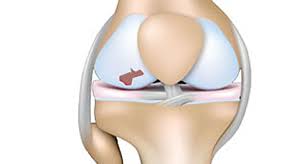
Cartilage injuries can occur due to sudden impact or wear and tear over time. The meniscus, a tough, rubbery cartilage that acts as a shock absorber between the shinbone and thighbone, can be torn if you suddenly twist your knee while bearing weight on it. Cartilage injuries can cause pain, swelling, and stiffness in the affected joint. Treatment options for cartilage injuries include rest, ice, compression, and elevation (RICE), physical therapy, and surgery in severe cases.
Cause
Cartilage injury in joints can be caused by several factors, including:
- Wear and tear: Cartilage damage can occur due to wear and tear, which happens as a person ages. This is the most common cause of cartilage injury in joints.
- Repetitive actions: Repetitive actions, particularly twisting, jumping, and deep knee bends, can cause cartilage damage. This is common in athletes and people who perform repetitive motions in their jobs or hobbies.
- Traumatic injury: A traumatic injury, such as a forceful wrenching or a direct impact, can cause cartilage damage.
- Overuse: Overuse of a joint can cause cartilage injury. This is common in athletes and people who perform repetitive motions in their jobs or hobbies.
- Inflammatory disorders: Inflammatory disorders, such as rheumatoid arthritis, gout, and systemic lupus erythematosus, can contribute to cartilage injury.
- Infection: Infection can cause cartilage injury, although this is less common.
- Systemic diseases: Certain systemic diseases, such as diabetes, can also contribute to cartilage injury.
Symptoms
The most common symptoms of cartilage injury in joints include:
- Joint pain: Cartilage injury can cause pain in the affected joint.
- Swelling: Swelling is a common symptom of cartilage injury in joints.
- Stiffness: Stiffness in the affected joint is another common symptom of cartilage injury.
- Catching or locking: Cartilage injury can cause a catching or locking feeling when moving the joint.
- Grating or popping sounds: Grating or popping sounds and sensations when moving the joint can also be a symptom of cartilage injury.
- Reduced range of motion: Cartilage injury can limit the range of motion in the affected joint.
- Feeling of instability: Cartilage injury can cause a feeling of instability or weakness in the affected joint.
Types of cartilage injuries
There are different types of cartilage injuries that can occur in joints. The specific type of cartilage injury depends on the location, extent, and severity of the damage. Here are some examples:
- Osteochondritis dissecans: This is a condition in which a piece of cartilage and the underlying bone break off from the joint surface.
- Incidental chondral defects: These are small areas of cartilage damage that are often found incidentally during imaging tests.
- Patellofemoral defects: These are defects in the cartilage that covers the back of the kneecap and the front of the thigh bone.
- Defects encountered after meniscectomy: These are defects that occur after the removal of a meniscus, a piece of cartilage that acts as a shock absorber in the knee joint.
- Elastic cartilage damage: This type of cartilage damage can occur in the ear or nose due to a hard impact.
- Fibrocartilage damage: This type of cartilage damage can occur in the spine due to a slipped disk.
- Hyaline cartilage damage: This type of cartilage damage can occur in any joint and is the most common type of cartilage damage.
In summary, there are different types of cartilage injuries that can occur in joints, including osteochondritis dissecans, incidental chondral defects, patellofemoral defects, defects encountered after meniscectomy, elastic cartilage damage, fibrocartilage damage, and hyaline cartilage damage. It is important to seek medical attention if you experience joint pain or injury to determine the best course of treatment for your specific condition.
Treatment
Conventional treatment
The most common treatments for cartilage injuries in joints include:
- Rest and activity modification: Resting the affected joint and avoiding activities that aggravate the injury can help reduce pain and inflammation.
- Ice and heat therapy: Applying ice or heat to the affected joint can help reduce pain and inflammation.
- Nonsteroidal anti-inflammatory drugs (NSAIDs): NSAIDs, such as ibuprofen and naproxen, can help reduce pain and inflammation.
- Physical therapy: Physical therapy can help improve joint function, reduce pain, and prevent further injury,
- Injections: Injections of corticosteroids or hyaluronic acid can help reduce pain and inflammation.
- Surgery: In severe cases, surgery may be necessary to repair or remove damaged cartilage.
Homeopathic treatment
Homeopathic management for Cartilage injury
- Arnica Montana: This remedy is useful for joint injuries caused by trauma or strain, and the affected area feels bruised and sore.
- Rhus Toxicodendron: This remedy is useful for joint pain that worsens from rest and improves with movement.
- Bryonia Alba: This remedy is useful for joint pain that worsens with movement and improves with rest.
- Actaea Spicata: This remedy is useful for joint pain that is sharp and shooting in nature.
- Colchicum Autumnale: This remedy is useful for joint pain that is worse from the slightest touch or motion.
- Belladonna: This remedy is useful for bursitis with a sensation of heat and throbbing, along with intense discomfort caused by jarring and touch.
- Sanguinaria: This remedy is useful for bursitis with stiffness, aching pain, and aggravation from stretching.
In summary, homeopathic remedies for ligament tear, bursitis, or cartilage injury in a joint include Arnica Montana, Rhus Tox, Bryonia Alba, Actaea Spicata, Colchicum Autumnale, Belladonna, and Sanguinaria. It is important to consult with a qualified homeopathic practitioner to determine the best course of action for your specific condition.
Tags: Cartilage injuries, Causes, Holistic, Homeopathy, Joint pain, Meniscal tear, Natural, Pain, Stiffness, Symptoms, Treatment
Category: Musculoskeletal
Search
contact info
Related Posts
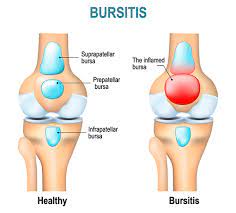 Bursitis is caused by the inflammation of a bursa, a small fluid-filled sac that acts as a cushion between bone…
- Cartilage injuries can occur due to sudden impact or wear and tear over time. The meniscus, a tough, rubbery cartilage…
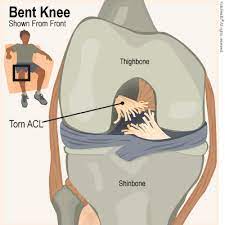 Ligament tears in Joints Ligament tears occur when a ligament, which connects bone to bone, is stretched or torn. This…