

Mon – Fri: 07:00 – 17:00
Weekends: By appointment
Holidays: By appointment
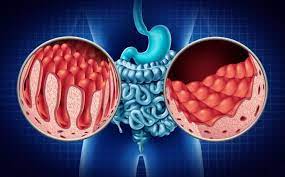
Celiac disease is a serious autoimmune disease that occurs in genetically predisposed people where the ingestion of gluten leads to damage in the small intestine. It is estimated to affect 1 in 100 people worldwide, but only about 30% are properly diagnosed. In this article, we will discuss the causes, symptoms, diagnosis, and treatment of celiac disease.
Causes
Celiac disease is a genetic, autoimmune disease. The immune system mistakenly recognizes gluten, a protein found in wheat, rye, and barley, as “foreign.” When people with celiac disease eat foods containing gluten, the immune system attacks the gluten when it gets into the small intestine.
Symptoms
Some people have no gastrointestinal complaints and no apparent symptoms, or their symptoms are so subtle that they never mention them to their doctor. Because the symptoms may be mild, people with celiac years often go undiagnosed for many years. When symptoms do occur, they include:
– fatigue
– abdominal bloating and pain
– diarrhoea
– pale, foul-smelling, or fatty stools
– weight loss
Problems caused by poor absorption of nutrients include:
– iron-deficiency anaemia
– bone or joint pain
– arthritis
– bone loss (osteoporosis) or unexplained broken bones
– tingling or numbness
Diagnosis
Diagnosis of celiac disease involves a blood test to check for the presence of certain antibodies, followed by a biopsy of the small intestine to confirm the diagnosis.
Treatment
The only treatment for celiac disease is a strict gluten-free diet. This means avoiding all foods that contain gluten, including wheat, rye, and barley. Even small amounts of gluten can cause damage to the small intestine in people with celiac disease. Untreated celiac disease can lead to the development of other autoimmune disorders like type 1 diabetes and multiple sclerosis (MS), and many other conditions, including dermatitis herpetiformis (an itchy skin rash), anaemia, osteoporosis, infertility and miscarriage, neurological conditions like epilepsy and migraines, short stature, heart disease, and intestinal cancers.
Risk factors
There are several risk factors for developing celiac disease:
– Family history – Having a blood relative with celiac disease increases the risk of developing the condition.
– Genetic factors – Celiac disease is genetically based, and having certain genes, such as HLA-DQ2 or HLA-DQ8, can increase the risk of developing the disease.
– Other autoimmune diseases – People with other autoimmune diseases, such as type 1 diabetes, rheumatoid arthritis, and Addison’s disease, are at a higher risk of developing celiac disease.
– Stressful medical events – A viral infection, surgery, emotional trauma, or pregnancy can trigger celiac disease.
It is important to note that having these risk factors does not necessarily mean that a person will develop celiac disease, but it is important to be aware of them and speak with a doctor if any symptoms arise.
Celiac disease affects the body in several ways, including:
– Damage to the small intestine – When people with celiac disease eat gluten, their immune system attacks the small intestine, leading to damage to the lining of the small intestine and preventing it from absorbing some nutrients.
– Malabsorption of nutrients – The damage to the small intestine can lead to malabsorption of nutrients, which can cause a range of symptoms, including anaemia, bone loss, and weight loss.
– Gastrointestinal symptoms – People with celiac disease may experience a range of gastrointestinal symptoms, including diarrhoea, constipation, bloating, gas, and abdominal pain.
– Skin problems – Some people with celiac disease may develop an itchy, blistery skin rash called dermatitis herpetiformis.
– Neurological symptoms – Celiac disease can cause neurological symptoms, including numbness and tingling in the feet and hands, problems with balance, and cognitive impairment.
– Joint pain – Some people with celiac disease may experience joint pain.
– Other complications – Untreated celiac disease can lead to the development of other autoimmune disorders, such as type 1 diabetes and multiple sclerosis, as well as other conditions, including infertility, osteoporosis, and intestinal cancers.
It is important to note that the symptoms and severity of celiac disease can vary widely between individuals. Unfortunately, there are currently no proven ways to prevent celiac disease. However, there are ways to reduce the risk of developing medical conditions related to celiac disease, such as autoimmune thyroid disease, which can eventually lead to celiac disease[19]. Here are some ways to reduce the risk:
– Avoid consuming high amounts of iodine through foods or supplements. A high amount of iodine may trigger an autoimmune thyroid disease, which can eventually lead to celiac disease.
– Avoid radiation exposure. Radiation exposure is linked to autoimmune conditions that affect the thyroid and can trigger celiac disease.
Celiac disease and non-celiac gluten sensitivity (NCGS)
Celiac disease and non-celiac gluten sensitivity (NCGS) are two distinct conditions that involve a negative response to gluten, but they have different underlying mechanisms and consequences.
Celiac Disease:
– Celiac disease is an autoimmune disorder where the immune system mistakenly attacks the body’s own tissues when gluten is ingested.
– Eating gluten, a protein found in wheat, barley, and rye, damages the small intestine in people with celiac disease.
– Celiac disease can have long-term and severe consequences for overall health if left untreated.
– People with celiac disease must avoid gluten completely for their entire lives.
Non-Celiac Gluten Sensitivity:
– NCGS, also known as gluten intolerance, is a condition where individuals experience symptoms similar to those with celiac disease when they consume gluten, but they do not have the same antibodies and intestinal damage seen in celiac disease.
– The exact mechanism of NCGS is not well understood, and there are currently no recommended methods to test for it.
– People with NCGS may see symptom improvement by simply reducing gluten and carbohydrate intake, as opposed to completely avoiding gluten like those with celiac disease.
Treatment
The conventional treatment for celiac disease is a strict, lifelong gluten-free diet. This means avoiding all foods and beverages that contain gluten, including wheat, rye, barley, and triticale (a hybrid of wheat and rye). Vitamins and dietary supplements may also be recommended to address nutrient deficiencies commonly seen in people with celiac disease. In addition to a gluten-free diet, medications may be prescribed to control intestinal inflammation or to treat dermatitis herpetiformis, a skin rash associated with celiac disease. Currently, there are no drugs approved by the FDA for the treatment of celiac disease, but there are several drugs in development that may offer new treatment options in the future. It is important to note that the only safe and effective treatment for celiac disease currently available is a strict gluten-free diet.
Conventional treatment
There are medications available for the treatment of celiac disease, but they are not a cure and is not used to treat the underlying autoimmune condition. Medications may be used to control inflammation in the small intestine or to treat dermatitis herpetiformis, a skin rash associated with celiac disease. Here are some medications that may be used to treat celiac disease:
– Steroids – Steroids may be prescribed to control inflammation in the small intestine in severe cases of celiac disease.
– Azathioprine and Budesonide – These medications may be used to control inflammation in the small intestine.
– Dapsone – Dapsone may be used to treat dermatitis herpetiformis, a skin rash associated with celiac disease.
– PRG-015 – This is a drug currently in development that is meant to dampen the body’s inflammatory response upon exposure to small amounts of gluten.
It is important to note that the only safe and effective treatment for celiac disease currently available is a strict gluten-free diet. Medications may be used to manage symptoms or complications associated with celiac disease, but they are not a substitute for a gluten-free diet.
Side effects
The conventional treatment for celiac disease, which is a strict gluten-free diet, is generally safe and effective. However, there are some side effects that may occur as a result of the treatment:
– Dizziness, nausea, extreme hunger, anxiety, and depression – Some people may experience these symptoms when they suddenly switch from a diet that contains gluten to a gluten-free diet.
– Nutrient deficiencies – People with celiac disease may be at risk of nutrient deficiencies, particularly if they are not following a well-balanced gluten-free diet. Common nutrient deficiencies include iron, calcium, vitamin D, and vitamin B12.
– Weight gain – Some people may gain weight after starting a gluten-free diet, particularly if they are consuming a lot of processed gluten-free foods that are high in sugar and fat.
– Increased cholesterol and triglycerides – An inadequately balanced gluten-free diet may be associated with an increase in total cholesterol, LDL, and triglycerides.
– Digestive symptoms – Some people may experience digestive symptoms such as bloating, abdominal discomfort and pain, altered bowel habits, flatulence, reflux, and vomiting when they switch to a gluten-free diet.
A gluten-free diet is the conventional treatment for celiac disease, and it is generally safe and effective. However, there are some long-term effects and risks associated with this diet:
– Nutritional deficiencies – People with celiac disease on a strict gluten-free diet may be at risk of nutrient deficiencies, particularly if they are not following a well-balanced gluten-free diet. Common nutrient deficiencies include fibre, iron, calcium, vitamin D, and vitamin B12.
– Weight gain – Some people may gain weight after starting a gluten-free diet, particularly if they are consuming a lot of processed gluten-free foods that are high in sugar and fat.
– Increased risk of cardiovascular disease – An inadequately balanced gluten-free diet may be associated with an increased risk of cardiovascular disease.
– Social and psychological barriers – Following a gluten-free diet can be challenging and may lead to social and psychological barriers, such as difficulty eating out or feeling isolated from others.
– Elevated costs – Gluten-free products can be more expensive than their gluten-containing counterparts, which can be a financial burden for some people.
It is important to work with a healthcare provider and a registered dietitian to ensure that a gluten-free diet is well-balanced and meets all of the body’s nutritional needs. While a gluten-free diet is the only safe and effective treatment for celiac disease, it is important to be aware of the potential long-term effects and risks associated with this diet.
Homeopathic treatment
While some homeopathic remedies may be used to manage symptoms associated with celiac disease, they are not a substitute for a gluten-free diet, which is the only safe and effective treatment for celiac disease. It is important to speak with a healthcare provider before using any homeopathic remedies for celiac disease. Here are some of the homeopathic remedies that may be used to manage symptoms associated with celiac disease:
– Lycopodium and Kalium Carbonicum: These remedies may be used to manage excessive gas and bloating associated with a gluten-free diet.
– Silica: This remedy may be used to manage skin problems associated with celiac disease, such as dermatitis herpetiformis, which may be exacerbated by a gluten-free diet.
– Bryonia and Colocynth: These remedies may be used to manage digestive symptoms associated with celiac disease, such as constipation and abdominal pain, which may be exacerbated by a gluten-free diet.
– Natrum Sulphur: This remedy may be used to manage diarrhoea and other gastrointestinal symptoms associated with celiac disease, which may be exacerbated by a gluten-free diet.
– Nux Vomica: This remedy may be used to manage digestive symptoms associated with celiac disease, such as nausea, vomiting, and constipation, which may be exacerbated by a gluten-free diet.
It is important to note that these remedies are not a substitute for a gluten-free diet, which is the only safe and effective treatment for celiac disease. It is also important to speak with a healthcare provider before using any homeopathic remedies for celiac disease.
Tags: Causes, Celiac disease, Gluten intolerance, Gluten sensitivity, Holistic, Homeopathy, Natural, Treatment
Category: Autoimmune
Search
contact info
Related Posts
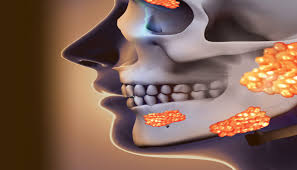 Sjögren's syndrome is a chronic autoimmune disease that causes the destruction of moisture-producing glands, particularly in the eyes and mouth.…
- Celiac disease is a serious autoimmune disease that occurs in genetically predisposed people where the ingestion of gluten leads to…
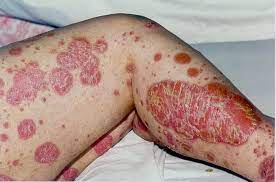 Psoriasis is a chronic autoimmune disease that affects the skin, causing red, scaly patches that can be itchy and painful.…