

Mon – Fri: 07:00 – 17:00
Weekends: By appointment
Holidays: By appointment
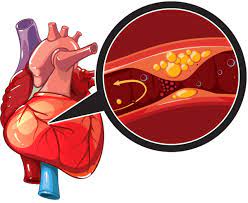
Heart disease is a general term that includes many types of heart problems[1][2][3][5]. It is also called cardiovascular disease, which means heart and blood vessel disease. Heart disease is the leading cause of death in the United States, with more than 877,500 Americans dying of heart disease, stroke, or other cardiovascular diseases every year.
There are several types of heart disease, including:
- Coronary artery disease (CAD): This is the most common type of heart disease, which occurs when the arteries that supply blood to the heart become clogged with plaque. This can cause chest pain, shortness of breath, and heart attack.
- Heart attack (myocardial infarction): This occurs when blood flow to part of the heart muscle is blocked, causing damage to the heart muscle.
- Heart failure: This occurs when the heart is unable to pump blood effectively, causing fluid buildup in the lungs and other parts of the body.
- Heart rhythm disorders: This refers to abnormal heart rhythms, such as atrial fibrillation, that can cause the heart to beat too fast, too slow, or irregularly.
- Heart valve disorders: This refers to problems with the valves that control blood flow from one part of the heart to another part of the heart or to the body.
- Sudden cardiac arrest: This occurs when the heart suddenly stops beating, causing loss of consciousness and death if not treated immediately.
Risk factors
There are several risk factors for heart disease, including:
- Smoking and exposure to second-hand smoke.
- Too much stress.
- Having other medical conditions can raise your risk of heart diseases. These conditions include high blood pressure, high cholesterol levels, diabetes, obesity, autoimmune and inflammatory diseases, chronic kidney disease, and metabolic syndrome.
- Unhealthy diet and lack of exercise.
- Unlucky genes.
- Infection.
Prevention and treatment of heart disease include:
- Lifestyle changes: Eating a healthy diet, exercising regularly, quitting smoking, and managing stress can help prevent heart disease.
- Medications: Medications, such as statins, blood pressure medications, and blood thinners, can help manage heart disease.
- Procedures and surgeries: Procedures and surgeries, such as angioplasty, stenting, and bypass surgery, can help treat heart disease.
- Devices: Devices, such as pacemakers and implantable cardioverter-defibrillators (ICDs), can help support the heart if damage occurs.
In summary, heart disease is a general term that includes many types of heart problems, and it is the leading cause of death in the United States. There are several types of heart disease, risk factors, and prevention and treatment options available. It is important to seek medical attention if you experience any symptoms of heart disease or have any risk factors to determine the best course of treatment for your specific condition.
Tags: Heart disease, Prevention, Risk factors, Treatment
Category: Cardiovascular disease
Search
contact info
Related Posts
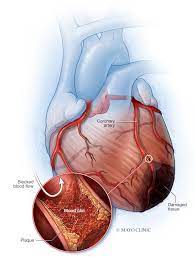 Myocardial Infarction Myocardial infarction, commonly known as a heart attack, is a medical emergency that occurs when the supply of…
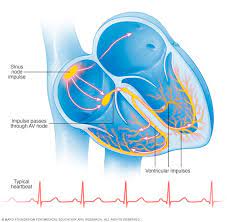 Heart rhythm disorder, also known as arrhythmia, is a condition in which the heart beats irregularly, too fast, or too…
 Heart failure is a medical condition that occurs when the heart is unable to pump enough oxygen-rich blood to meet…