

Mon – Fri: 07:00 – 17:00
Weekends: By appointment
Holidays: By appointment
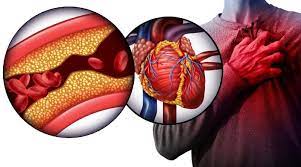
Coronary artery disease (CAD) is a type of heart disease that occurs when the arteries that supply blood to the heart become narrowed or blocked due to plaque build-up. This can limit the amount of oxygen-rich blood that reaches the heart, leading to chest pain (angina), shortness of breath, and heart attack. CAD is the most common type of heart disease in the United States and is a leading cause of death.
Kay facts
Here are some key facts about coronary artery disease:
- CAD is caused by plaque buildup in the walls of the arteries that supply blood to the heart, which can partially or totally block blood flow.
- Risk factors for CAD include smoking, high blood pressure, high cholesterol, diabetes, obesity, and a family history of heart disease.
- Symptoms of CAD may go unnoticed until a significant blockage causes problems or a heart attack occurs.
- Treatment for CAD includes lifestyle changes, such as eating a healthy diet, exercising regularly, quitting smoking, and managing stress, as well as medications, procedures, and surgeries.
- Prevention of CAD includes maintaining a healthy lifestyle, managing risk factors, and getting regular check-ups with a healthcare provider.
In summary, coronary artery disease is a type of heart disease that occurs when the arteries that supply blood to the heart become narrowed or blocked due to plaque build-up. It is a leading cause of death in the United States, but there are several prevention and treatment options available. It is important to seek medical attention if you experience any symptoms of heart disease or have any risk factors to determine the best course of treatment for your specific condition.
Risk factors
There are several risk factors for developing coronary artery disease (CAD), including:
- Age: The risk of developing CAD increases with age.
- Sex: Men are at a higher risk of developing CAD than women.
- Family history: Having a family history of heart disease, particularly if a close relative developed heart disease at an early age, increases the risk of developing CAD.
- Smoking: Smoking is a major risk factor for CAD.
- High blood pressure: High blood pressure can damage the arteries and increase the risk of developing CAD.
- High cholesterol: High levels of cholesterol in the blood can contribute to the build-up of plaque in the arteries, increasing the risk of developing CAD.
- Diabetes: Diabetes can increase the risk of developing CAD.
- Obesity: Being overweight or obese can increase the risk of developing CAD.
- Sedentary lifestyle: Lack of physical activity can increase the risk of developing CAD.
- Unhealthy diet: Eating a diet high in saturated and trans fats, salt, and sugar can increase the risk of developing CAD.
- Stress: Chronic stress can increase the risk of developing CAD.
In summary, risk factors for developing coronary artery disease include age, sex, family history, smoking, high blood pressure, high cholesterol, diabetes, obesity, sedentary lifestyle, unhealthy diet, and stress. It is important to manage these risk factors through lifestyle changes and medical treatment to reduce the risk of developing CAD.
Treatment
Conventional treatment for coronary artery disease
Conventional treatment for coronary artery disease (CAD) includes lifestyle changes, medications, and procedures or surgeries. Here are some common treatment options:
- Lifestyle changes: Lifestyle changes are often the first line of treatment for CAD. These changes may include quitting smoking, eating a healthy diet, exercising regularly, managing stress, and maintaining a healthy weight.
- Medications: Medications can help manage CAD by reducing blood pressure, cholesterol levels, and the risk of blood clots. Common medications used to treat CAD include statins, beta-blockers, ACE inhibitors, and aspirin.
- Procedures and surgeries: Procedures and surgeries may be necessary to manage CAD in some cases. These may include:
-
- Percutaneous coronary intervention (PCI): This procedure, also known as coronary angioplasty, involves using a small balloon to reopen a blocked artery and placing a stent to keep the artery open.
- Coronary artery bypass graft (CABG) surgery: This surgery involves taking a healthy blood vessel from another part of the body and using it to bypass a blocked artery.
- Trans-myocardial laser revascularization (TMR): This procedure involves using a laser to create small channels in the heart muscle to improve blood flow.
- Enhanced external counterpulsation (EECP): This non-invasive procedure involves using inflatable cuffs to compress the blood vessels in the legs, which helps increase blood flow to the heart.
In summary, conventional treatment for coronary artery disease includes lifestyle changes, medications, and procedures or surgeries. The specific treatment plan will depend on the extent and severity of the disease, as well as the individual’s overall health and medical history. It is important to work with a healthcare provider to determine the best course of treatment for your specific condition.
Lifestyle
Here are some lifestyle changes recommended for managing coronary artery disease:
- Exercise regularly: Exercise for at least 30 minutes a day, at least 5 days a week. Regular physical activities like walking, jogging, cycling, swimming, gardening, and other activities can help keep the heart healthy.
- Quit smoking: Smoking is a major risk factor for coronary artery disease. Nicotine tightens blood vessels and forces the heart to work harder. Not smoking is one of the best ways to lower the risk of a heart attack.
- Maintain a healthy weight: Being overweight increases the risk of coronary artery disease. Losing even a small amount of weight can help reduce risk factors for coronary artery disease.
- Eat a healthy diet: A low-fat, high-fiber diet is recommended, which should include plenty of fresh fruit and vegetables (5 portions a day) and whole grains. Limit the amount of salt you eat to no more than 6g (0.2oz) a day as too much salt will increase your blood pressure.
- Manage stress: Chronic stress can increase the risk of developing coronary artery disease. Managing stress through relaxation techniques, such as deep breathing, meditation, or yoga, can help reduce stress levels.
- Manage other medical conditions: Managing other medical conditions, such as high blood pressure, high cholesterol, and diabetes, can help reduce the risk of developing coronary artery disease.
In summary, lifestyle changes recommended for managing coronary artery disease include exercise, quitting smoking, maintaining a healthy weight, eating a healthy diet, managing stress, and managing other medical conditions. It is important to work with a healthcare provider to determine the best course of treatment for your specific condition.
Medication
There are several medications commonly used to treat coronary artery disease (CAD). These medications include:
- Aspirin: Aspirin helps thin the blood and prevent blood clots, which can reduce the risk of heart attack or stroke.
- Cholesterol-lowering drugs: Medications, such as statins, niacin, fibrates, and bile acid sequestrants, can help lower bad cholesterol and reduce plaque buildup in the arteries.
- Beta-blockers: Beta-blockers can help control high blood pressure and reduce the workload on the heart.
- Calcium channel blockers: Calcium channel blockers can help improve symptoms of chest pain by relaxing the blood vessels and reducing the workload on the heart.
- Angiotensin-converting enzyme (ACE) inhibitors and angiotensin II receptor blockers (ARBs): These medications lower blood pressure and can help keep coronary artery disease from getting worse.
- Nitroglycerin: Nitroglycerin widens the heart arteries and can help control or relieve chest pain.
- Ranolazine: Ranolazine may help people with chest pain (angina) by reducing the workload on the heart.
In summary, medications commonly used to treat coronary artery disease include aspirin, cholesterol-lowering drugs, beta-blockers, calcium channel blockers, ACE inhibitors and ARBs, nitro-glycerine, and ranolazine. The specific medication or combination of medications will depend on the extent and severity of the disease, as well as the individual’s overall health and medical history. It is important to work with a healthcare provider to determine the best course of treatment for your specific condition.
Homeopathic treatment
Here are some homeopathic remedies with indications for the treatment of coronary artery disease:
- Arjuna: Arjuna is an Ayurvedic medicine that can help strengthen the heart muscles.
- Ashwagandha: Ashwagandha is an Ayurvedic medicine that can help strengthen the heart muscles.
- Brahmi: Brahmi is an Ayurvedic medicine that can help strengthen the heart muscles.
- Shankhpushpi: Shankhpushpi is an Ayurvedic medicine that can help strengthen the heart muscles.
- Aconite: Aconite can be useful when there is sudden onset of chest pain, palpitations, and anxiety.
- Arnica: Arnica can be useful for chest pain that is worse with motion or touch.
- Cactus: Cactus can be useful for chest pain that is constricting or squeezing in nature.
- Digitalis: Digitalis can be useful when there is a slow or irregular heartbeat.
- Kalmia: Kalmia can be useful for chest pain that radiates to the left arm or shoulder.
- Latrodectus: Latrodectus can be useful for heart disease with symptoms of precordial pain in the body.
- Aurum: Aurum can be useful for heart disease with symptoms of depression and anxiety.
In summary, homeopathic remedies for the treatment of coronary artery disease include Ayurvedic medicines like Arjuna, Ashwagandha, Brahmi, and Shankhpushpi, as well as homeopathic remedies like Aconite, Arnica, Cactus, Digitalis, Kalmia, Latrodectus, and Aurum. It is important to consult with a qualified homeopathic practitioner to determine the best course of action for your specific condition.
Tags: CAD, Causes, Coronary artery disease, Heart disease, Holistic, Homeopathy, Natural, Risk factors, Treatment
Category: Cardiovascular disease
Search
contact info
Related Posts
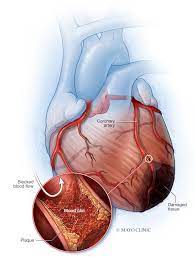 Myocardial Infarction Myocardial infarction, commonly known as a heart attack, is a medical emergency that occurs when the supply of…
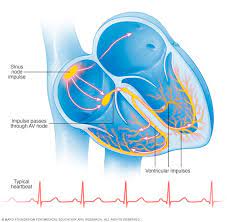 Heart rhythm disorder, also known as arrhythmia, is a condition in which the heart beats irregularly, too fast, or too…
 Heart failure is a medical condition that occurs when the heart is unable to pump enough oxygen-rich blood to meet…