

Mon – Fri: 07:00 – 17:00
Weekends: By appointment
Holidays: By appointment
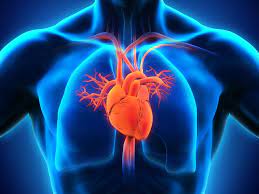
Heart failure is a medical condition that occurs when the heart is unable to pump enough oxygen-rich blood to meet the body’s needs. Here are some key facts about heart failure:
- Heart failure can affect one or both sides of the heart. When the left side of the heart is affected, it is called left-sided heart failure, and when the right side of the heart is affected, it is called right-sided heart failure.
- Heart failure can start suddenly after a medical condition or injury damages the heart muscle. But in most cases, heart failure develops slowly from long-term medical conditions. Conditions that can cause heart failure include:
-
- Coronary artery disease
- High blood pressure
- Cardiomyopathy
- Heart valve diseases
- Arrhythmia (a problem with the rate or rhythm of your heartbeat)
- Congenital heart defects or other types of heart diseases that you are born with
- Endocarditis
- Heart attack
- Symptoms of heart failure may include shortness of breath, fatigue, swelling in the legs, ankles, or feet, rapid or irregular heartbeat, persistent cough or wheezing, and increased need to urinate at night.
- Treatment for heart failure includes medications, such as ACE inhibitors, beta-blockers, and diuretics, as well as procedures, such as angioplasty and coronary artery bypass graft surgery. Lifestyle changes, such as quitting smoking, eating a healthy diet, exercising regularly, managing stress, and maintaining a healthy weight, are also important in managing heart failure.
- Homeopathic remedies can also be used in the management of heart failure. Homeopathic remedies used in the management of heart failure include remedies like Arnica, Cactus, Digitalis, Kalmia, and Crataegus. However, it is important to consult with a qualified homeopathic practitioner to determine the best course of action for your specific condition.
In summary, heart failure is a medical condition that occurs when the heart is unable to pump enough oxygen-rich blood to meet the body’s needs. It is important to seek medical attention if you experience any symptoms of heart failure to determine the best course of treatment for your specific condition.
Common causes of heart failure:
- Coronary artery disease: Coronary artery disease is the most common cause of heart failure. It occurs when the arteries that supply blood to the heart become narrowed or blocked, reducing blood flow to the heart muscle.
- High blood pressure: High blood pressure can cause the heart to work harder than normal, leading to heart failure over time.
- Cardiomyopathy: Cardiomyopathy is a disease of the heart muscle that can lead to heart failure.
- Heart valve disease: Heart valve disease occurs when the valves in the heart do not work properly, causing the heart to work harder and leading to heart failure over time.
- Arrhythmia: Arrhythmia is a problem with the rate or rhythm of the heartbeat, which can lead to heart failure over time.
- Congenital heart defects: Congenital heart defects are heart abnormalities that are present at birth and can lead to heart failure over time.
- Viral infection and damage from the immune system: Viral infections and damage from the immune system can cause inflammation and damage to the heart muscle, leading to heart failure.
- Other medical conditions: Other medical conditions, such as diabetes, HIV, thyroid conditions, and nutritional deficiencies, can damage or weaken the heart muscle and lead to heart failure over time.
- Lifestyle factors: Lifestyle factors associated with heart disease in general, such as high cholesterol, cigarette smoking, and a family history of heart disease, may contribute to heart failure.
In summary, common causes of heart failure include coronary artery disease, high blood pressure, cardiomyopathy, heart valve disease, arrhythmia, congenital heart defects, viral infection and damage from the immune system, other medical conditions, and lifestyle factors. It is important to manage these conditions and risk factors through lifestyle changes and medical treatment to reduce the risk of developing heart failure.
Types of heart failure
There are different types of heart failure, which are classified based on the part of the heart that is affected and the pumping ability of the heart. Here are the types of heart failure:
- Left-sided heart failure: This occurs when the left ventricle of the heart can no longer pump enough blood around the body.
- Right-sided heart failure: This occurs when the right ventricle of the heart can no longer pump enough blood to the lungs to receive oxygen.
- Systolic heart failure: This occurs when the left ventricle loses its ability to contract normally, and the heart can’t pump with enough force to push enough blood into circulation.
- Diastolic heart failure: This occurs when the left ventricle loses its ability to relax normally because the muscle has become stiff, and the heart can’t properly fill with blood during the resting period between each beat.
- Heart failure with preserved ejection fraction (HFpEF): This occurs when the heart is pumping greater than or equal to 50% ejection fraction (EF).
- Heart failure with reduced ejection fraction (HFrEF): This occurs when the heart is pumping less than or equal to 40% EF
- Heart failure with mid-range ejection fraction (HFmrEF): This occurs when the left ventricle pumps between 41% and 49% EF.
In summary, heart failure can be classified based on the part of the heart that is affected and the pumping ability of the heart. The types of heart failure include left-sided heart failure, right-sided heart failure, systolic heart failure, diastolic heart failure, HFpEF, HFrEF, and HFmrEF. It is important to work with a healthcare provider to determine the best course of treatment for your specific condition.
Treatment
Conventional treatment for heart failure
- Lifestyle changes: Lifestyle changes are an important part of managing heart failure. These changes may include quitting smoking, eating a healthy diet, exercising regularly, managing stress, and maintaining a healthy weight.
- Medications: Medications used to treat heart failure include ACE inhibitors, beta-blockers, diuretics, and aldosterone antagonists. These medications can help reduce symptoms, improve heart function, and prevent further damage to the heart.
- Procedures: Procedures used to treat heart failure include angioplasty, coronary artery bypass graft surgery, and implantable devices, such as pacemakers and defibrillators. These procedures can help improve heart function and prevent further damage to the heart.
- Cardiac rehabilitation: Cardiac rehabilitation is a program that helps people with heart failure make lifestyle changes and improve their heart health. It may include exercise training, education on heart-healthy living, and counseling to reduce stress.
In summary, conventional treatment for heart failure includes lifestyle changes, medications, and procedures. The specific treatment plan will depend on the extent and severity of the heart failure, as well as the individual’s overall health and medical history. It is important to work with a healthcare provider to determine the best course of treatment for your specific condition.
Medication
- Angiotensin-converting enzyme (ACE) inhibitors: These drugs relax blood vessels to lower blood pressure, improve blood flow, and decrease the strain on the heart. Examples include enalapril (Vasotec), lisinopril (Zestril), and captopril.
- Beta-blockers: These medicines slow the heart rate and lower blood pressure. They reduce the symptoms of heart failure and help the heart work better. Examples include carvedilol (Coreg), metoprolol (Lopressor, Toprol-XL), and bisoprolol.
- Diuretics: Often called water pills, diuretics help the body get rid of excess fluid and salt, which can help reduce swelling and shortness of breath. Examples include furosemide (Lasix), bumetanide (Bumex), and torsemide (Demadex).
- Aldosterone antagonists: These drugs block the effects of aldosterone, a hormone that can contribute to heart failure. Examples include spironolactone (Aldactone) and eplerenone (Inspra).
- Angiotensin receptor blockers (ARBs): ARBs are similar to ACE inhibitors in that they relax blood vessels and lower blood pressure. Examples include candesartan (Atacand), losartan (Cozaar), and valsartan (Diovan).
- Angiotensin receptor-neprilysin inhibitors (ARNIs): ARNIs are a drug combination that includes an ARB and a neprilysin inhibitor. This combination can help improve heart function and reduce the risk of hospitalization and death in people with heart failure. Examples include sacubitril/valsartan (Entresto).
- Digoxin: Digoxin can help increase the heart’s pumping strength and slow the heart rate.
- Hydralazine and nitrates: These drugs can help open up arteries and improve blood flow. They are mainly used by people who are unable to tolerate ACE inhibitors and ARBs.
In summary, medications commonly used to treat heart failure include ACE inhibitors, beta-blockers, diuretics, aldosterone antagonists, ARBs, ARNIs, digoxin, and hydralazine and nitrates. The specific medication or combination of medications will depend on the extent and severity of the heart failure, as well as the individual’s overall health and medical history. It is important to work with a healthcare provider to determine the best course of treatment for your specific condition.
Homeopathic treatment
Here are some homeopathic remedies with indications used in the management of heart failure:
- Crataegus: Crataegus is a homeopathic remedy that can help improve heart function and reduce symptoms of heart failure.
- Digitalis: Digitalis is a homeopathic remedy that can help increase the heart’s pumping strength and improve heart function.
- Aurum metallicum: Aurum metallicum is a homeopathic remedy that can help improve heart function and reduce symptoms of heart failure, particularly in people who are depressed or anxious.
- Strophanthus: Strophanthus is a homeopathic remedy that can help improve heart function and reduce symptoms of heart failure, particularly in people with a weak pulse.
- Lachesis: Lachesis is a homeopathic remedy that can help improve heart function and reduce symptoms of heart failure, particularly in people who feel worse after sleeping.
- Spigelia: Spigelia is a homeopathic remedy that can help improve heart function and reduce symptoms of heart failure, particularly in people with sharp, stabbing chest pain.
In summary, homeopathic remedies used in the management of heart failure include Crataegus, Digitalis, Aurum metallicum, Strophanthus, Lachesis, and Spigelia. It is important to consult with a qualified homeopathic practitioner to determine the best course of action for your specific condition. However, it is important to note that homeopathy should not be used instead of immediate medical attention for heart failure.
Tags: Causes, Heart disease, Heart failure, Holistic, Homeopathy, Natural, Risk factors, Treatment
Category: Cardiovascular disease
Search
contact info
Related Posts
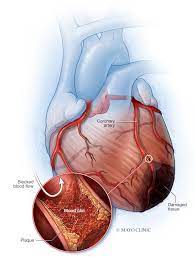 Myocardial Infarction Myocardial infarction, commonly known as a heart attack, is a medical emergency that occurs when the supply of…
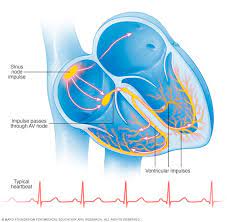 Heart rhythm disorder, also known as arrhythmia, is a condition in which the heart beats irregularly, too fast, or too…
- Heart failure is a medical condition that occurs when the heart is unable to pump enough oxygen-rich blood to meet…