

Mon – Fri: 07:00 – 17:00
Weekends: By appointment
Holidays: By appointment
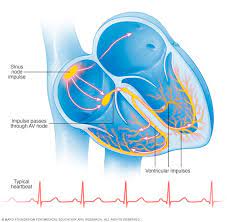
Heart rhythm disorder, also known as arrhythmia, is a condition in which the heart beats irregularly, too fast, or too slow.
Key facts
- Heart rhythm disorder can be caused by a variety of factors, including heart disease, high blood pressure, stress, certain medications, and other medical conditions.
- Symptoms of heart rhythm disorder may include palpitations, chest pain, shortness of breath, dizziness, and fainting.
- There are many types of heart rhythm disorders, including:
– Bradycardias: A slow heart rate, usually less than 60 beats per minute.
– Tachycardias: A fast heart rate, usually more than 100 beats per minute.
– Atrial fibrillation: A common type of arrhythmia in which the heart beats irregularly and faster than normal.
– Supraventricular tachycardia: Episodes of abnormally fast heart rate at rest.
– Sick sinus syndrome: The sinus node, which is responsible for setting the pace of the heart, doesn’t work properly, causing the heart rate to alternate between too slow and too fast.
– Long QT syndrome: A rare genetic disorder that can cause a chaotic, fast heart rhythm.
– Ventricular fibrillation: A life-threatening arrhythmia in which the heart beats rapidly and irregularly, preventing it from pumping blood effectively.
- Treatment for heart rhythm disorder may include medications, procedures, and lifestyle changes. Medications used to treat heart rhythm disorder include beta-blockers, calcium channel blockers, and anti-arrhythmic drugs[1][3][5]. Procedures used to treat heart rhythm disorder include cardioversion, catheter ablation, and implantable devices, such as pacemakers and defibrillators[1][5][6]. Lifestyle changes, such as quitting smoking, eating a healthy diet, exercising regularly, managing stress, and maintaining a healthy weight, are also important in managing heart rhythm disorder.
In summary, heart rhythm disorder is a condition in which the heart beats irregularly, too fast, or too slow. It can be caused by a variety of factors and can have many different types. Treatment may include medications, procedures, and lifestyle changes. It is important to work with a healthcare provider to determine the best course of treatment for your specific condition.
Symptoms
Symptoms of heart rhythm disorders, also known as arrhythmias, can vary depending on the type and severity of the condition. Here are some common symptoms:
- Palpitations: A feeling of skipped heartbeats, fluttering, or “flip-flops” .
- Pounding in your chest.
- Dizziness or feeling lightheaded.
- Fainting or near-fainting spells.
- Shortness of breath.
- Chest pain or tightness.
- Weakness or fatigue (feeling very tired),
- Anxiety.
- Blurry vision.
- Sweating.
- Rapid heartbeat or pounding in the chest.
- Alternating fast and slow heart rate.
In some cases, arrhythmias may not cause any symptoms and may only be detected during a physical exam or an electrocardiogram (ECG) test. It is important to seek medical attention if you experience any symptoms of heart rhythm disorder to determine the best course of treatment for your specific condition.
Causes
- Electrical problems: Abnormal heart rhythms (arrhythmias) are caused by problems with the electrical system that regulates the steady heartbeat.
- Heart disease: Heart disease can cause heart rhythm disorders. Conditions such as coronary artery disease, heart attack, and heart valve disease can damage the heart and lead to arrhythmias.
- High blood pressure: High blood pressure can cause the heart to work harder than normal, leading to heart rhythm disorders over time.
- Imbalance of electrolytes: The wrong balance of electrolytes (such as sodium or potassium) in your blood can cause heart rhythm disorders.
- Genetics: Some types of heart disease can run in families, and your odds of developing an arrhythmia might be higher if a close relative has had an arrhythmia.
- Lifestyle factors: Alcohol, tobacco, and recreational drugs can raise the risk of heart rhythm disorders.
- Medical conditions: Medical conditions such as sleep apnea, autoimmune disorders, and viral infections can cause heart rhythm disorders.
Heart rhythm disorders can be caused by a variety of factors, including electrical problems, heart disease, high blood pressure, electrolyte imbalances, genetics, lifestyle factors, and medical conditions. It is important to manage these conditions and risk factors through lifestyle changes and medical treatment to reduce the risk of developing heart rhythm disorders.
Long-term effects
Heart rhythm disorders, also known as arrhythmias, can have long-term effects on the body. Here are some of the potential long-term effects:
- Stroke: Certain types of arrhythmias, such as atrial fibrillation, can increase the risk of blood clots forming in the heart. These clots can travel to the brain and cause a stroke.
- Heart failure: Chronic arrhythmias can weaken the heart muscle over time, leading to heart failure.
- Cardiac arrest: In some cases, arrhythmias can cause the heart to stop beating altogether, leading to cardiac arrest.
- Sudden death: Some types of arrhythmias, such as ventricular fibrillation, can cause sudden death if not treated promptly.
- Fatigue and reduced quality of life: Chronic arrhythmias can cause fatigue and other symptoms that can reduce quality of life.
- Anxiety and depression: Living with a chronic arrhythmia can be stressful and may lead to anxiety and depression.
- Complications from treatment: Some treatments for arrhythmias, such as medications and procedures, can have side effects and complications.
It is important to seek medical attention if you experience any symptoms of heart rhythm disorder to determine the best course of treatment for your specific condition. With proper management and treatment, many people with arrhythmias can live healthy and active lives.
Types of heart rhythm disorders:
- Atrial fibrillation: A common type of arrhythmia in which the heart beats irregularly and faster than normal.
- Atrial flutter: A type of arrhythmia in which the heart beats rapidly but regularly.
- Bradycardia: A slow heart rate, usually less than 60 beats per minute.
- Tachycardia: A fast heart rate, usually more than 100 beats per minute.
- Supraventricular tachycardia: Episodes of abnormally fast heart rate at rest.
- Ventricular arrhythmias: Abnormal heartbeats in the lower chambers of the heart (called ventricles). There are two types of ventricular arrhythmias: ventricular tachycardia and ventricular fibrillation.
- Sick sinus syndrome: The sinus node, which is responsible for setting the pace of the heart, doesn’t work properly, causing the heart rate to alternate between too slow and too fast.
- Long QT syndrome: A rare genetic disorder that can cause a chaotic, fast heart rhythm.
- Wolff-Parkinson-White Syndrome: A condition in which an extra electrical pathway in the heart causes a rapid heartbeat.
- Adams-Stokes Disease: A heart block or other arrhythmia that can slow the heart rate considerably, causing fainting or convulsions.
- Sinus arrhythmia: A normal type of irregular heart rhythm that refers to changes in the heart rate during breathing.
Heart rhythm disorders can take many forms, including atrial fibrillation, atrial flutter, bradycardia, tachycardia, supraventricular tachycardia, ventricular arrhythmias, sick sinus syndrome, long QT syndrome, Wolff-Parkinson-White Syndrome, Adams-Stokes Disease, and sinus arrhythmia. It is important to seek medical attention if you experience any symptoms of heart rhythm disorder to determine the best course of treatment for your specific condition.
Treatment
Conventional treatment
- Medications: Medications are often used to treat heart rhythm disorders. The specific medication will depend on the type of arrhythmia and potential complications. Medications used to treat heart rhythm disorders include beta-blockers, calcium channel blockers, anti-arrhythmic drugs, and blood thinners.
- Cardioversion: Cardioversion is a procedure that uses electrical shocks or medications to restore the heart’s normal rhythm.
- Catheter ablation: Catheter ablation is a procedure that uses radiofrequency energy to destroy small areas of heart tissue that are causing the arrhythmia.
- Implantable devices: Implantable devices, such as pacemakers and defibrillators, can help regulate the heart’s rhythm and prevent dangerous arrhythmias,
- Lifestyle changes: Lifestyle changes, such as quitting smoking, eating a healthy diet, exercising regularly, managing stress, and maintaining a healthy weight, can help manage heart rhythm disorders.
- Surgery: In some cases, surgery may be necessary to treat heart rhythm disorders. Surgical procedures may include maze surgery, which creates scar tissue in the heart to block abnormal electrical signals, or the Cox-Maze procedure, which uses a combination of surgical incisions and scar tissue to redirect electrical signals in the heart.
Conventional treatment options for heart rhythm disorder include medications, cardioversion, catheter ablation, implantable devices, lifestyle changes, and surgery. The specific treatment plan will depend on the type and severity of the arrhythmia, as well as the individual’s overall health and medical history. It is important to work with a healthcare provider to determine the best course of treatment for your specific condition.
Medication
Here are some medications commonly used in the management of heart rhythm disorders:
- Beta-blockers: Beta-blockers are medications that reduce the heart’s sensitivity to adrenaline, which can help regulate the heart’s rhythm. Examples include metoprolol, atenolol, nadolol, carvedilol, acebutolol, and pindolol.
- Calcium channel blockers: Calcium channel blockers are medications that slow down electrical signals as they travel from the top half to the bottom half of the heart, which can help regulate the heart’s rhythm. Examples include diltiazem and verapamil.
- Anti-arrhythmic drugs: Anti-arrhythmic drugs are medications that work on the electrical pathway to slow, speed up, or regulate the heartbeat. They are especially helpful for uncomplicated abnormal heart rhythms. Examples include amiodarone, flecainide, propafenone, and sotalol.
- Blood thinners: Blood thinners are medications that prevent blood clots from forming, which can reduce the risk of stroke in people with certain types of arrhythmias. Examples include warfarin, dabigatran, rivaroxaban, apixaban, and edoxaban.
- Digoxin: Digoxin is a medication that strengthens the heart muscle’s contractions and works on the heart’s electrical system to control heart rate.
- Sodium-channel blockers: Sodium-channel blockers are medications that slow down the heart’s electrical conduction, which can help regulate the heart’s rhythm. Examples include flecainide and propafenone.
The specific medication or combination of medications will depend on the type and severity of the arrhythmia, as well as the individual’s overall health and medical history. It is important to work with a healthcare provider to determine the best course of treatment for your specific condition.
Homeopathic Treatment
Here are some homeopathic remedies with indications for the management of heart rhythm disorder:
- Aurum metallicum 30: This homeopathic remedy can help improve heart function and reduce symptoms of heart rhythm disorder, particularly in people who are depressed or anxious.
- Digitalis purpurea 3x: This homeopathic remedy can help increase the heart’s pumping strength and improve heart function[43][46].
- Laurocerasus: This homeopathic remedy can help regulate the heart’s rhythm and reduce symptoms of heart rhythm disorder, particularly in people with a weak pulse.
- Cardus marianus: This homeopathic remedy can help improve heart function and reduce symptoms of heart rhythm disorder, particularly in people with liver problems.
- Naja tripudian: This homeopathic remedy can help regulate the heart’s rhythm and reduce symptoms of heart rhythm disorder, particularly in people with sharp, stabbing chest pain.
Homeopathic remedies used in the management of heart rhythm disorder include Aurum metallicum 30, Digitalis purpurea 3x, Laurocerasus, Cardus marianus, Naja tripudian, and more. It is important to consult with a qualified homeopathic practitioner to determine the best course of action for your specific condition. However, it is important to note that homeopathy should not be used instead of immediate medical attention for heart rhythm disorder.
Tags: Arrhythmia, Atrial fibrillation, Bradycardia, Heart, Heart rhythm disorder, Holistic, Homeopathy, Natural, Tachycardia, Treatment
Category: Cardiovascular disease
Search
contact info
Related Posts
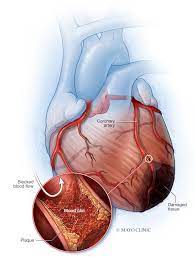 Myocardial Infarction Myocardial infarction, commonly known as a heart attack, is a medical emergency that occurs when the supply of…
- Heart rhythm disorder, also known as arrhythmia, is a condition in which the heart beats irregularly, too fast, or too…
 Heart failure is a medical condition that occurs when the heart is unable to pump enough oxygen-rich blood to meet…