

Mon – Fri: 07:00 – 17:00
Weekends: By appointment
Holidays: By appointment
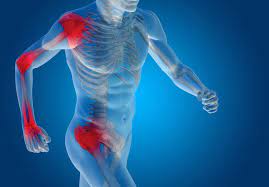
Joint injuries
Joint injuries are common and can be caused by a variety of factors, including mechanical problems, medical conditions, and injuries. Some of the most common joint injuries include ligament tears, bursitis, and cartilage injuries.
Types of joint injuries
Ligament tears: Ligament teats occur when a ligament, which connects bone to bone, is stretched or torn. This can happen due to sudden twisting or impact, such as during sports activities. Ligament injuries can cause pain, swelling, and instability in the joint. Treatment options for ligament tears include rest, ice, compression, and elevation (RICE), physical therapy, and surgery in severe cases.
Bursitis: Bursitis is the inflammation of the bursae, small sacs of fluid that cushion and lubricate joints. Bursitis can be caused by repetitive motions, overuse, or injury[2][4]. Symptoms of bursitis include pain, swelling, and stiffness in the affected joint. Treatment options for bursitis include rest, ice, compression, and elevation (RICE), physical therapy, and corticosteroid injections in severe cases.
Cartilage injuries: Cartilage injuries can occur due to sudden impact or wear and tear over time. The meniscus, a tough, rubbery cartilage that acts as a shock absorber between the shinbone and thighbone, can be torn if you suddenly twist your knee while bearing weight on it. Cartilage injuries can cause pain, swelling, and stiffness in the affected joint. Treatment options for cartilage injuries include rest, ice, compression, and elevation (RICE), physical therapy, and surgery in severe cases.
Joint injuries such as ligament tears, bursitis, and cartilage injuries can cause pain, swelling, and stiffness in the affected joint. Treatment options for these injuries include rest, ice, compression, and elevation (RICE), physical therapy, and surgery in severe cases. It is important to seek medical attention if you experience joint pain or injury to determine the best course of treatment for your specific condition.
Homeopathic management for joint injuries
- Arnica Montana: This remedy is useful for joint injuries caused by trauma or strain, and the affected area feels bruised and sore.
- Rhus Toxicodendron: This remedy is useful for joint pain that worsens from rest and improves with movement.
- Bryonia Alba: This remedy is useful for joint pain that worsens with movement and improves with rest.
- Actaea Spicata: This remedy is useful for joint pain that is sharp and shooting in nature.
- Colchicum Autumnale: This remedy is useful for joint pain that is worse from the slightest touch or motion.
- Atropa belladonna: This remedy is useful for bursitis with a sensation of heat and throbbing, along with intense discomfort caused by jarring and touch.
- Sanguinaria canadensis: This remedy is useful for bursitis with stiffness, aching pain, and aggravation from stretching.
Homeopathic remedies for ligament tear, bursitis, or cartilage injury in a joint include Arnica Montana, Rhus Tox, Bryonia Alba, Actaea Spicata, Colchicum Autumnale, Belladonna, and Sanguinaria. It is important to consult with a qualified homeopathic practitioner to determine the best course of action for your specific condition.
Tags: Bursitis, Cartilage injuries, Holistic, Homeopathy, Joint injury, Joint pain, Ligament tear, Management, Natural
Category: Musculoskeletal
Search
contact info
Related Posts
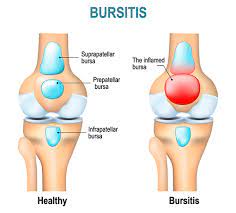 Bursitis is caused by the inflammation of a bursa, a small fluid-filled sac that acts as a cushion between bone…
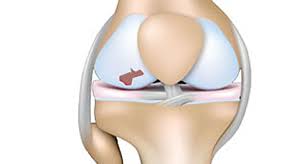 Cartilage injuries can occur due to sudden impact or wear and tear over time. The meniscus, a tough, rubbery cartilage…
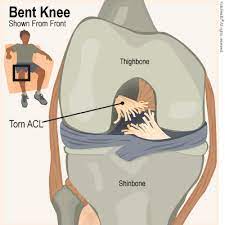 Ligament tears in Joints Ligament tears occur when a ligament, which connects bone to bone, is stretched or torn. This…