

Mon – Fri: 07:00 – 17:00
Weekends: By appointment
Holidays: By appointment
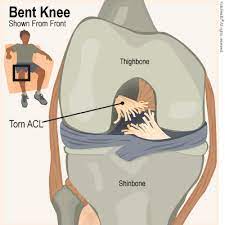
Ligament tears in Joints
Ligament tears occur when a ligament, which connects bone to bone, is stretched or torn. This can happen due to sudden twisting or impact, such as during sports activities. Ligament injuries can cause pain, swelling, and instability in the joint. Treatment options for ligament tears include rest, ice, compression, and elevation (RICE), physical therapy, and surgery in severe cases.
Common causes of ligament tears in joints
- Twisting body parts: Ligament tears often happen when ligaments are stretched fully and then encounter some form of impact or trauma.
- Hard or awkward landings: Ankle sprains, a mild torn ligament in the ankle, can happen when you are walking or running, land awkwardly, and twist your ankle.
- Sudden impact to the joint: The main cause of torn tendons and ligaments is traumatic injury, such as a sudden impact to the joint.
- Quickly stopping or changing direction: Torn tendons and ligaments can also be caused by quickly stopping or changing direction.
- Blow to the outer side of the knee: Stretch and tear injuries to the collateral ligaments are usually caused by a blow to the outer side of the knee, such as when playing hockey or football.
- Twisting or landing awkwardly: Ligament injuries may be caused by twisting or landing awkwardly, and they are most common when the ligaments around a joint are stretched fully, causing them to tear away from the bone.
- Overuse: Overuse activities can cause inflammation of the tendon and this is called tendonitis.
Ligament tears in joints can be caused by a variety of factors, including twisting body parts, hard or awkward landings, sudden impact to the joint, quickly stopping or changing direction, blow to the outer side of the knee, twisting or landing awkwardly, and overuse. It is important to seek medical attention if you experience joint pain or injury to determine the best course of treatment for your specific condition.
Prevention of ligament tears
There are several ways to prevent ligament tears in joints, including:
- Wear stable, appropriate shoes: Wearing shoes that fit well and provide good support can help prevent ligament tears.
- Always warm up before exercise: Warming up before exercise can help prepare your muscles and joints for physical activity, reducing the risk of injury.
- Maintain a healthy weight: Excess weight can put extra stress on your joints, increasing the risk of injury.
- Build up your activity level: Gradually increasing your activity level can help prevent injuries by allowing your body to adjust to the demands of physical activity.
- Keep the muscles surrounding your knees strong and flexible: Strengthening and stretching the muscles surrounding your knees can help prevent anterior cruciate ligament (ACL) injuries.
- Use proper technique when playing sports: Using proper technique when playing sports can help reduce the risk of injury.
- Use protective gear: Wearing protective gear, such as knee pads, can help prevent injuries during sports and other physical activities.
There are several ways to prevent ligament tears in joints, including wearing stable, appropriate shoes, warming up before exercise, maintaining a healthy weight, building up your activity level, keeping the muscles surrounding your knees strong and flexible, using proper technique when playing sports, and using protective gear. It is important to take steps to prevent joint injuries to maintain joint health and prevent long-term complications.
- Strengthening leg muscles: Strengthening the muscles that support the same joint as the ligament and other joints close to the knee can help prevent injury to the ligament.
- Targeting the hamstrings: The hamstring muscle, located on the back of the thigh, works with the quadriceps muscle, located on the front of the thigh, to bend and straighten your knee. Targeting the hamstrings can help prevent ACL injuries.
- Strengthening the core: Strengthening the muscles in your abdomen, back, and hips can help improve your balance and stability, reducing the risk of injury.
- Building up your glutes: Strengthening your glutes can help improve your hip stability, reducing the risk of injury.
- Incorporating balance training: Incorporating balance training into your exercise routine can help improve your balance and stability, reducing the risk of injury.
Exercises that can help prevent ligament tears in joints include strengthening leg muscles, targeting the hamstrings, strengthening the core, building up your glutes, and incorporating balance training. It is important to consult with a healthcare provider or a physical therapist before starting any exercise program to determine the best course of action for your specific condition.
Homeopathic management of ligament injuries
- Arnica Montana: This remedy is useful for joint injuries caused by trauma or strain, and the affected area feels bruised and sore.
- Rhus Toxicodendron: This remedy is useful for joint pain that worsens from rest and improves with movement.
- Bryonia Alba: This remedy is useful for joint pain that worsens with movement and improves with rest.
- Actaea Spicata: This remedy is useful for joint pain that is sharp and shooting in nature.
- Colchicum Autumnale: This remedy is useful for joint pain that is worse from the slightest touch or motion.
- Atropa belladonna: This remedy is useful for bursitis with a sensation of heat and throbbing, along with intense discomfort caused by jarring and touch.
- Sanguinaria canadensis: This remedy is useful for bursitis with stiffness, aching pain, and aggravation from stretching.
Homeopathic remedies for ligament tear, bursitis, or cartilage injury in a joint include Arnica Montana, Rhus Tox, Bryonia Alba, Actaea Spicata, Colchicum Autumnale, Belladonna, and Sanguinaria, It is important to consult with a qualified homeopathic practitioner to determine the best course of action for your specific condition.
Tags: Holistic, Homeopathy, Joint injury, Joint pain, Ligament tear, Management, Natural, Prevention
Category: Musculoskeletal
Search
contact info
Related Posts
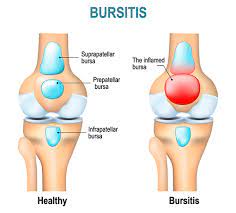 Bursitis is caused by the inflammation of a bursa, a small fluid-filled sac that acts as a cushion between bone…
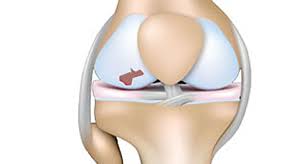 Cartilage injuries can occur due to sudden impact or wear and tear over time. The meniscus, a tough, rubbery cartilage…
- Ligament tears in Joints Ligament tears occur when a ligament, which connects bone to bone, is stretched or torn. This…