

Mon – Fri: 07:00 – 17:00
Weekends: By appointment
Holidays: By appointment
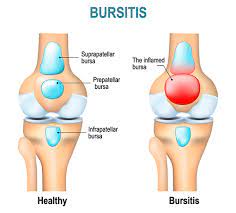
Bursitis is caused by the inflammation of a bursa, a small fluid-filled sac that acts as a cushion between bone and soft tissue. Common causes of bursitis include:
Types of Bursitis
- Prepatellar bursitis: This type of bursitis affects the front of the knee and is common in people who kneel for long periods, such as carpet layers or gardeners.
- Olecranon bursitis: This type of bursitis affects the elbow and is often caused by repetitive pressure on the elbow, such as leaning on a hard surface.
- Trochanteric bursitis: This type of bursitis affects the hip and is common in runners, cyclists, and people who stand for long periods.
- Retrocalcaneal bursitis: This type of bursitis affects the heel and is often caused by overuse or wearing tight shoes.
- Anterior Achilles tendon bursitis: This type of bursitis affects the front of the ankle and is often caused by overuse or injury.
- Posterior Achilles tendon bursitis: This type of bursitis affects the back of the ankle and is often caused by overuse or injury.
- Hip bursitis: This type of bursitis affects the hip and is often caused by injury, overuse, spinal abnormalities, arthritis, or surgery.
- Elbow bursitis: This type of bursitis affects the elbow and is caused by the inflammation of the bursa located between the skin and bones of the elbow.
Common causes
- Overuse: Overuse of a joint can cause bursitis. This is common in athletes and people who perform repetitive motions in their jobs or hobbies.
- Prolonged pressure: Prolonged pressure on a bursa can cause bursitis. Examples include students who frequently rest their elbows on their desk and people who work on their knees without adequate padding.
- Repetitive motions: Repetitive motions or positions that put pressure on the bursae around a joint can cause bursitis. Examples include throwing a baseball or lifting something over your head repeatedly, leaning on your elbows for long periods, and extensive kneeling for tasks such as laying carpet or scrubbing floors.
- Injury or trauma: Injury or trauma to the affected area can cause bursitis.
- Inflammatory disorders: Inflammatory disorders, such as rheumatoid arthritis, gout, and systemic lupus erythematosus, can contribute to bursitis.
- Infection: Infection can cause bursitis, although this is less common.
- Systemic diseases: Certain systemic diseases, such as diabetes, can also contribute to bursitis.
Symptoms
- Pain: Pain is the most common symptom of bursitis. The pain may be a dull ache or a sharp, stabbing pain that worsens with movement or pressure on the affected area.
- Localized tenderness: The affected area may be tender to the touch.
- Limited motion: Bursitis can cause stiffness and limited range of motion in the affected joint.
- Swelling and redness: If the inflamed bursa is close to the surface of the skin, there may be swelling and redness around the affected area.
- Disabling joint pain: In severe cases, bursitis can cause disabling joint pain and sudden inability to move a joint.
- Bulge or lump: A bulge or lump may develop at the affected joint.
- Fever, chills, or night sweats: If the bursitis is caused by an infection, there may be additional symptoms such as fever, chills, or night sweats.
It is important to note that the symptoms of bursitis may resemble other medical conditions or problems. Always see a healthcare provider for a diagnosis.
Diagnosis
- Medical history: The healthcare provider will ask about the patient’s symptoms, medical history, and any activities or injuries that may have caused the bursitis.
- Physical examination: The healthcare provider will examine the affected area, looking for signs of swelling, tenderness, and limited range of motion.
- Imaging tests: X-rays, ultrasound, or MRI scans may be used to confirm the diagnosis of bursitis and rule out other conditions that may cause similar symptoms.
- Lab tests: If the healthcare provider suspects that the bursitis is caused by an infection, they may order blood tests or a fluid analysis from the inflamed bursa to identify the cause of the inflammation.
It is important to note that the diagnosis of bursitis may vary depending on the type and severity of the condition. In some cases, the healthcare provider may refer the patient to a specialist, such as a rheumatologist or orthopaedic surgeon, for further evaluation and treatment.
Risk factors
Bursitis is a condition that can affect anyone, but certain factors can increase the risk of developing it. Here are some of the risk factors for bursitis:
- Age: Bursitis becomes more common with aging.
- Occupations or hobbies: Certain jobs or hobbies that require repetitive motion or pressure on particular bursae can increase the risk of developing bursitis. Examples include carpet laying, tile setting, gardening, painting, playing a musical instrument, and kneeling for long periods.
- Injuries or trauma: Injuries or trauma to the affected area can cause bursitis.
- Autoimmune conditions and systemic inflammatory conditions: Conditions such as rheumatoid arthritis, gout, systemic lupus erythematosus, scleroderma, spondyloarthropathy, and osteoarthritis can increase the risk of developing bursitis.
- Improper posture: Poor posture can put extra stress on the joints and increase the risk of developing bursitis.
- Infection: Infection can cause septic bursitis, which is a type of bursitis caused by bacteria entering the bursa.
- Chronic medical conditions: Certain chronic medical conditions, such as diabetes, can increase the risk of developing bursitis.
- Repetitive sports or activities: Repetitive sports or activities that put pressure on the joints can increase the risk of developing bursitis.
It is important to note that not all types of bursitis can be prevented, but making some basic lifestyle changes can reduce the risk of developing bursitis and prevent severe flare-ups. Maintaining a healthy weight, exercising to strengthen the muscles supporting the joints, taking frequent breaks when performing repetitive tasks, and warming up before starting physical activity are some ways to prevent bursitis.
Prevention
Exercises that can help prevent bursitis
- Glute bridge: A glute bridge is a bodyweight exercise that activates your glutes, lower back, and core muscles. To perform a glute bridge, lie on your back with your knees bent and feet flat on the ground. Lift your hips off the ground until your body forms a straight line from your shoulders to your knees. Hold for a few seconds, then lower your hips back down to the ground.
- Clamshell: The clamshell exercise targets the muscles in your hips and glutes. To perform a clamshell, lie on your side with your knees bent and your feet together. Keeping your feet touching, lift your top knee as high as you can without moving your pelvis. Hold for a few seconds, then lower your knee back down to the starting position.
- Glute stretch with leg crossed: This exercise stretches the glutes and hip muscles. To perform a glute stretch with leg crossed, lie on your back with your knees bent and feet flat on the ground. Cross one ankle over the opposite knee, then gently pull the uncrossed knee towards your chest until you feel a stretch in your glutes and hip. Hold for a few seconds, then release and repeat on the other side.
It is important to consult with a healthcare provider or a physical therapist before starting any exercise program to determine the best course of action for your specific condition. Additionally, some exercises may exacerbate bursitis symptoms, so it is important to avoid exercises that cause pain or discomfort.
Treatment
Bursitis is a painful condition that causes swelling around the joints. The following are conventional treatments for bursitis:
- Rest: Resting the affected area is often enough to reduce pain and let the bursa heal. Avoiding the activity or positions that irritated the bursa will give it time to heal and prevent further injury.
- Ice and Heat: Applying ice to reduce swelling for the first 48 hours after symptoms occur can help. After that, heat treatments may be more effective.
- Elevation: Elevating the affected area is useful, particularly in lower-limb bursitis.
- Medication: Anti-inflammatory and pain medicines, such as ibuprofen or aspirin, can help relieve pain and swelling.
- Injection: Injection of a corticosteroid medication into the bursa can relieve the pain and inflammation of bursitis. In some cases, the doctor might use ultrasound to guide the injection into the affected bursa.
- Physical Therapy: Physical therapy or exercises can strengthen the muscles in the affected area to ease pain and prevent recurrence.
- Antibiotics: If the inflammation in the bursa is caused by an infection, the doctor might prescribe an antibiotic.
- Surgery: In general, bursitis is not treated surgically. However, in some cases, surgical interventions such as incision and drainage, excision of chronically inflamed bursae, or removal of underlying bony prominences may be appropriate.
It is important to note that most cases of bursitis heal on their own with rest and at-home treatments. However, if the symptoms persist or worsen, it is best to consult a doctor for proper diagnosis and treatment.
Physical therapy
Physical therapy is a type of treatment that involves exercises and movements to help reduce pain, swelling, and stiffness caused by bursitis. Physical therapists work with patients to develop personalized treatment programs that address their specific condition and goals. Here are some ways physical therapy can help with bursitis:
- Reduce pain and swelling: Physical therapists use different types of treatments and technologies to control and reduce pain and swelling, including ice, heat, ultrasound, electrical stimulation, taping, specific exercises, and hands-on therapy, such as specialized massage.
- Improve range of motion: Bursitis can limit mobility and lead to increased stress on the affected joint. Physical therapists can teach patients self-stretching techniques to help decrease tension and help restore normal movement.
- Strengthen muscles: Bursitis is often related to weak, injured, or uncoordinated muscles around the affected joint. Physical therapists can choose and teach patients the correct exercises and equipment to use to steadily restore strength and agility.
- Prevent recurrence: Following a home exercise program, physical therapists can help prevent a return of bursitis by recommending exercises to strengthen and stretch the muscles around the affected joint.
Physical therapy can be an effective treatment for bursitis, particularly for shoulder and hip bursitis. It is important to note that physical therapy is not a one-size-fits-all solution, and the treatment program should be tailored to the individual’s specific condition and goals.
Conventional medication
- Nonsteroidal anti-inflammatory drugs (NSAIDs): NSAIDs such as ibuprofen or naproxen can help reduce pain and inflammation caused by bursitis.
- Acetaminophen: Acetaminophen can help relieve pain caused by bursitis.
- Corticosteroid injections: Injection of a corticosteroid medication into the affected bursa can help reduce inflammation and pain.
- Antibiotics: If the bursitis is caused by an infection, antibiotics may be prescribed to treat the infection.
It is important to note that medication alone may not be enough to treat bursitis, and other treatments such as rest, ice, and physical therapy may be necessary. The choice of medication and treatment depends on the type and severity of the bursitis, and a healthcare provider should be consulted for proper diagnosis and treatment.
Homeopathic treatment
Homeopathic treatment for bursitis is a complementary approach that uses natural remedies to help reduce pain and inflammation. Here are some of the homeopathic remedies that may be used to treat bursitis:
- Arnica montana: This remedy is useful when bursitis is related to traumatic injury or strain. The affected area feels bruised and sore.
- Atropa belladonna: This remedy is useful for bursitis with a sensation of heat and throbbing, along with intense discomfort caused by jarring and touch.
- Bryonia alba: This remedy is useful when bursitis pain has a stitching or tearing quality and is worse from even the slightest motion. The affected area is hot and swollen, feeling worse from warmth.
- Ferrum phosphoricum: This remedy is useful for pain that starts in a higher joint (especially the hip or shoulder) and shoots or travels downward. Pain and inflammation may come on suddenly and often shift around.
- Kalmia latifolia: This remedy is useful for bursitis with sharp, shooting pains that move around the joint. The affected area may feel cold to the touch.
- Rhus toxicodendron: This remedy is useful for acute bursitis with swelling, great stiffness, and aching pain. Problems can be aggravated by stretching, and the person often feels fatigued or weak. Cold and dampness make things worse, and lying down to rest may help.
- Sanguinaria canadensis: This remedy is useful for bursitis in the shoulder, especially the right shoulder. Raising the arm is difficult, and pain can extend down the arm if the shoulder is moved. Discomfort may be worse at night in bed, from lying on the affected part, and also when turning over.
It is important to note that homeopathic remedies should be taken under the guidance of a qualified homeopathic practitioner. Homeopathy is not a substitute for conventional medical treatment, and a healthcare provider should be consulted for proper diagnosis and treatment.
Tags: Bursitis, Cause, Conventional treatment, Holistic, Homeopathy, Joint injury, Pain, Physiotherapy, Prevent, Swelling, Treatment
Category: Musculoskeletal
Search
contact info
Related Posts
- Bursitis is caused by the inflammation of a bursa, a small fluid-filled sac that acts as a cushion between bone…
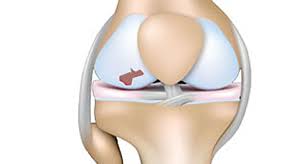 Cartilage injuries can occur due to sudden impact or wear and tear over time. The meniscus, a tough, rubbery cartilage…
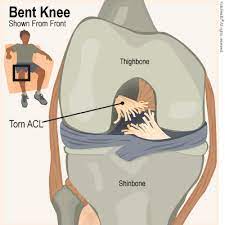 Ligament tears in Joints Ligament tears occur when a ligament, which connects bone to bone, is stretched or torn. This…