

Mon – Fri: 07:00 – 17:00
Weekends: By appointment
Holidays: By appointment
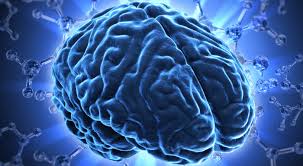
Epilepsy is a chronic neurological disorder that affects people of all ages and is characterized by recurrent seizures, which are brief episodes of involuntary movement or behavior caused by abnormal electrical activity in the brain. Epilepsy is the fourth most common neurological disorder in the world, affecting around 50 million people worldwide.
The causes of epilepsy are varied and often unknown. Some people inherit genetic factors that make epilepsy more likely to occur, while other factors that may increase the risk include head trauma, brain conditions, infectious diseases, prenatal injury, and developmental conditions.
Epilepsy can have a significant impact on a person’s life, including their emotions, behaviour, social development, and ability to study and work. The stigma and discrimination that surround epilepsy worldwide are often more difficult to overcome than the seizures themselves. People living with epilepsy and their families can be targets of prejudice, and pervasive myths that epilepsy is incurable, contagious, or a result of morally bad behaviour can keep people isolated and discourage them from seeking treatment.
There is no cure for epilepsy, but it can be managed with medication, surgery, and other therapies. The goal of treatment is to control seizures, minimize side effects, and improve quality of life. It is important for people with epilepsy to work closely with their healthcare providers to develop a treatment plan that is tailored to their individual needs.
Epilepsy is a complex neurological disorder that affects millions of people worldwide. While there is no cure, there are effective treatments available that can help people with epilepsy manage their condition and improve their quality of life. It is important to raise awareness about epilepsy and to combat the stigma and discrimination that often surround this condition.
Types of epilepsy
There are several types of epilepsy, which are classified based on the type of seizure a person experiences. The four main types of epilepsy are focal, generalized, combination focal and generalized, and unknown. Here is a brief description of each type:
- Focal epilepsy: This type of epilepsy is characterized by seizures that start in one area of the brain. Focal seizures can be further classified as simple or complex, depending on whether the person remains conscious during the seizure or not.
- Generalized epilepsy: This type of epilepsy involves seizures that affect both sides of the brain. Generalized seizures can be further classified into several subtypes, including absence seizures, myoclonic seizures, tonic-clonic seizures, and atonic seizures.
- Combination focal and generalized epilepsy: This type of epilepsy involves seizures that start in one area of the brain but then spread to both sides of the brain.
- Unknown epilepsy: This type of epilepsy is diagnosed when doctors are unable to determine the type of seizure a person is experiencing.
It is important to note that a person with epilepsy can have more than one type of seizure, and the signs of a seizure can vary depending on the type of seizure. Accurately diagnosing the type of epilepsy a person has is essential for developing an effective treatment plan.
Treatment
Conventional treatment
The conventional treatment for epilepsy primarily involves the use of anticonvulsant medications, also known as anti-epileptic drugs (AEDs). The choice of medication depends on an accurate diagnosis of the specific epileptic syndrome, as different syndromes may respond differently to specific anticonvulsants. For focal-onset seizures, there are several AED choices with monotherapy indications, including carbamazepine, cenobamate, lacosamide, lamotrigine, oxcarbazepine, and topiramate. If the first or second monotherapy trial with first-line treatments fails, adjunctive therapy with other AEDs may be considered.
In addition to medication, other conventional treatment options for epilepsy include devices, dietary therapies, and surgery. Special diets such as the ketogenic diet, modified Atkins diet, low glycaemic diet, and medium-chain triglyceride (MCT) diet have been found to help control seizures in some cases. Furthermore, certain medications can be used as seizure rescue therapies to stop seizures quickly and prevent emergency situations.
Surgical procedures, vagal nerve stimulation, and the ketogenic diet are examples of non-pharmacological treatments that may have a role in the management of epilepsy, particularly in cases of intractable seizures or AED toxicity. Additionally, alternative or complementary therapies such as CBD (cannabidiol) and music therapy have been explored as potential adjuncts to conventional treatments for epilepsy.
It is important for individuals with epilepsy to work closely with their healthcare providers to determine the most suitable treatment approach based on their specific condition and needs. Each person’s response to treatment can vary, and a personalized treatment plan is essential for effectively managing epilepsy.
The following are some of the antiepileptic drugs (AEDs) commonly used in the treatment of epilepsy:
- Carbamazepine (Tegretol, Carbatrol): Effective for partial seizures and generalized tonic-clonic seizures. It is considered a favourite partial seizure medicine in the developed world.
- Valproic acid (Depakote): This is the standard broad-spectrum AED that is effective for treating all types of seizures, particularly generalized seizure types.
- Lamotrigine: Used for focal-onset seizures and generalized tonic-clonic seizures.
- Levetiracetam: Effective for focal-onset seizures and myoclonic seizures. It can also be considered as adjunctive therapy if the first or second monotherapy trial with first-line treatments fails.
- Topiramate: Used for focal-onset seizures and generalized tonic-clonic seizures. It can also be considered as adjunctive therapy if the first or second monotherapy trial with first-line treatments fails.
- Oxcarbazepine: Effective for focal-onset seizures and generalized tonic-clonic seizures. It can be used as monotherapy or adjunctive therapy.
- Lacosamide: Used for focal-onset seizures and can be considered as adjunctive therapy if the first or second monotherapy trial with first-line treatments fails.
- Cenobamate: Effective for focal-onset seizures and can be considered as adjunctive therapy if the first or second monotherapy trial with first-line treatments fails.
It is important to note that the choice of AED depends on an accurate diagnosis of the specific epileptic syndrome, as different syndromes may respond differently to specific anticonvulsants. Additionally, the response to specific anticonvulsants varies among different syndromes, reflecting the different pathophysiologic mechanisms in the various types of seizures and the specific epileptic syndromes.
Side effects of anti-epileptic drugs (ARDs) include:
The common side effects of antiepileptic drugs (AEDs) can include both physical and neurological symptoms. Some of the common side effects identified in the research include:
- Physical Side Effects:
- Nausea
- Abdominal pain
- Weight gain
- Metabolic acidosis
- Nephrolithiasis (kidney stones)
- Skin rash
- Hepatotoxicity
- Ataxia (loss of full control of bodily movements)
- Drowsiness
- Dizziness
- Hyperactivity
- Drooling
- Gastrointestinal disturbances such as vomiting and decreased appetite
- Cardiovascular or respiratory depression
- Hormonal effects, including potential interactions with hormonal contraceptives.
- Neurological Side Effects:
- Mental slowing
- Blurred vision
- Cognitive and behaviour changes
- Restlessness
- Depression
- Paranoia
- Euphoric mood
- Agitation
- Mood swings
- Cognitive impairment
- Irritability
- Movement and behavioural disorders
- Other Side Effects:
- Long-term use may cause vitamin D and folate deficiency.
- Risk factors of osteoporosis
- Adverse effects after long-term usage, such as weight gain, hypertrichosis or hair loss, cerebellar atrophy, and gingival hyperplasia
It is important to note that the side effects of AEDs can vary depending on the specific medication and the individual’s response to the treatment. Patients should be closely monitored by healthcare professionals to manage and address any side effects that may arise during the course of treatment. Additionally, it is crucial for individuals to discuss any concerns about side effects with their healthcare provider to ensure the most effective and well-tolerated treatment plan.
Homeopathic treatment
Homeopathic treatment for epilepsy is a topic of interest and ongoing research. Homeopathy aims to address both the physical symptoms of the disease and the underlying factors triggering it, with the advantage of having negligible side effects. Some of the homeopathic remedies that have been used in the treatment of epilepsy include:
- Artemisia Vulgaris: This remedy is often used to treat cases of Petit Mal Epilepsy, which are characterized by staring into space, leaning forwards or backward, and stopping a sentence abruptly. It also addresses the fear that triggers epileptic attacks.
- Hyoscyamus niger: This remedy is used for epileptic fits that are followed by a deep sleep. Other symptoms addressed by this homeopathic medicine include fidgeting with bedclothes, fidgeting with fingers, and muscular twitching.
- Cicuta virosa: This remedy is used where there are distortions of the body. It is particularly helpful for children with Petit Mal seizures, characterized by frequent brief episodes of seizures in a short time period, triggered by strong emotions, including fear.
- Stramonium: This remedy is used for epileptic convulsions triggered by bright light. It can be beneficial in cases where there are distortions of the body.
- Zincum metallicum: This natural remedy may be used for epilepsy treatment, particularly in cases of idiopathic seizures.
- Agaricus muscarius: Another natural remedy that may be considered for the treatment of epilepsy, especially in cases of idiopathic seizures.
It is important to note that the results of homeopathic treatment may vary in every case depending upon the duration and type of seizure, and individualized treatment is essential. Additionally, further research and consultation with healthcare professionals are recommended when considering homeopathic treatment for epilepsy.
Tags: Alternative, Antiepileptic drugs, Complementary, Epilepsy, Holistic, Homeopathy, Natural, seizures, Side effects, Treatment, Types
Category: Awareness, Neurological Disorder
Search
contact info
Related Posts
- Epilepsy is a chronic neurological disorder that affects people of all ages and is characterized by recurrent seizures, which are…
 Breast cancer awareness month: October Breast cancer is a disease in which cells in the breast grow out of control,…
 Multiple Sclerosis Multiple sclerosis (MS) is a chronic autoimmune disease that affects the central nervous system, including the brain,…