

Mon – Fri: 07:00 – 17:00
Weekends: By appointment
Holidays: By appointment

Graves’ disease is an autoimmune disease that primarily affects the thyroid gland, causing it to produce too much thyroid hormone, resulting in hyperthyroidism. It is the most common cause of hyperthyroidism, accounting for 60% to 80% of hyperthyroidism cases. Here are some key points about Graves’ disease:
Cause
Graves’ disease develops when thyroid receptor autoantibodies (TRAbs) stimulate the thyroid-stimulating hormone (TSH) receptor (TSHR) on the thyroid gland, resulting in excessive thyroid hormone secretion.
Symptoms
The physical and psychological manifestations of Graves’ disease reflect a state of hyperthyroidism and can include goiter, sweating, palpitations, tremor, irritability, behavioural changes, emotional lability, poor concentration, and more.
Prognosis
The natural history of Graves’ disease is well documented, and eventually, all patients become hypothyroid and require hormone replacement therapy. Similarly, the ocular features of the disorder also become quiescent with time. If left untreated, Graves’ disease can lead to heart rhythm disorders, changes in the structure and function of the heart muscles, and the inability of the heart to pump enough blood.
Graves’ disease is a rare disorder that continues to present clinicians and families with a series of challenges. There are no new established treatments for children or adolescents, but the outcomes of recent clinical trials and meta-analyses have helped clinicians to prepare families for the road ahead. The disorder is best managed by an interprofessional team, given its systemic nature and diverse presentations.
Risk factors
Risk factors for developing Graves’ disease, according to the search results:
– Family history – Graves’ disease is more common in people who have a family history of thyroid disease. There is likely a gene or genes that can make a person more susceptible to the disorder.
– Gender – Women are much more likely to develop Graves’ disease than men.
– Age – Graves’ disease usually develops in people before age 40.
– Other autoimmune disorders – People with other disorders of the immune system, such as type 1 diabetes, rheumatoid arthritis, lupus, celiac disease, autoimmune gastritis, or vitiligo, have an increased risk of developing Graves’ disease.
– Emotional or physical stress – Stressful life events or illness may act as a trigger for the onset of Graves’ disease among people who have genes that increase their risk.
– Pregnancy – Pregnancy or recent childbirth may increase the risk of the disorder, particularly among women who have genes that increase their risk.
– Smoking – Cigarette smoking, which can affect the immune system, increases the risk of Graves’ disease. Smokers who have Graves’ disease are also at increased risk of developing Graves’ ophthalmopathy.
It is important to note that having one or more of these risk factors does not necessarily mean that a person will develop Graves’ disease. However, knowing the risk factors can help individuals and healthcare providers identify potential symptoms and take appropriate action.
While Graves’ disease cannot be prevented through lifestyle changes alone, there are certain lifestyle habits that can help manage the symptoms of the disorder. Here are some lifestyle changes that can help people with Graves’ disease:
Stress management
Stress can trigger or worsen Graves’ disease symptoms, so it is important to manage stress through relaxation techniques such as yoga, meditation, or deep breathing exercises.
Exercise
Regular exercise can help improve mood, reduce stress, and promote overall health, but it is important to avoid overexertion and to consult with a healthcare provider before starting an exercise program.
Diet
While there are no specific dietary recommendations for Graves’ disease, some nutrients such as calcium and vitamin D are important, whereas others such as iodine could be harmful. Eating a balanced diet that includes plenty of fruits, vegetables, whole grains, and lean protein can help support overall health. Some people with Graves’ disease may also benefit from avoiding certain foods, such as gluten or dairy, which can trigger autoimmune reactions.
Oral health
People with Graves’ disease are at increased risk of developing dental problems, so it is important to maintain good oral hygiene and to visit a dentist regularly.
Avoiding smoking
Cigarette smoking can worsen Graves’ disease symptoms and increase the risk of developing Graves’ ophthalmopathy.
It is important to note that lifestyle changes alone cannot cure Graves’ disease, and medical treatment is necessary to manage the disorder. However, incorporating healthy lifestyle habits can help improve overall health and well-being for people with Graves’ disease. Graves’ disease is a complex autoimmune disorder that requires medical treatment to manage the symptoms and prevent complications. Here are the conventional treatment options for Graves’ disease:
Treatment
– Antithyroid drugs – Antithyroid drugs (ATDs) are the first-line treatment for Graves’ disease and work by blocking the production of thyroid hormones. Methimazole (MMI) and propylthiouracil (PTU) are the two most commonly used ATDs. ATDs can take several months to achieve remission, and some patients may experience side effects such as rash, joint pain, or liver problems.
– Radioactive iodine therapy – Radioactive iodine therapy involves taking a pill or liquid that contains radioactive iodine, which is absorbed by the thyroid gland and destroys the cells that produce thyroid hormones. This treatment is usually reserved for patients who do not achieve remission with ATDs or who have relapsed after ATD therapy. Radioactive iodine therapy can cause hypothyroidism, which requires lifelong hormone replacement therapy.
– Thyroidectomy – Thyroidectomy involves surgically removing all or part of the thyroid gland. This treatment is usually reserved for patients who cannot tolerate ATDs or radioactive iodine therapy, or who have large goiters that cause compression symptoms. Thyroidectomy requires lifelong hormone replacement therapy and carries risks such as bleeding, infection, and damage to the vocal cords or parathyroid glands.
– Beta-blockers – Beta-blockers such as propranolol and metoprolol can be used to manage the symptoms of hyperthyroidism, such as palpitations, tremors, and anxiety.
– Corticosteroids – Corticosteroids such as prednisone can be used to manage the eye symptoms of Graves’ disease, such as swelling and inflammation behind the eyeballs.
– Teprotumumab – Teprotumumab is a biologic drug that can be used to treat the eye symptoms of Graves’ disease.
It is important to note that the choice of treatment depends on various factors, such as the severity of the symptoms, the size of the goiter, and the patient’s age and overall health. A healthcare provider can help determine the most appropriate treatment plan for each individual patient.
Antithyroid drugs (ATDs) are the first-line treatment for Graves’ disease, but they can cause side effects in some patients.
– Minor side effects – The most common minor side effects of ATDs include cutaneous eruptions, arthralgias, and gastrointestinal upset, which develop in up to 5% of patients at usual doses. Other minor side effects include rash, itching, abnormal hair loss, and fever.
– Major side effects – The common major side effects of ATDs are agranulocytosis (frequency 0.1-0.4%) and frank polyarthritis[28]. Severe systemic vasculitis or drug-induced lupus (often antineutrophil cytoplasmic antibody positive) are associated with propylthiouracil (PTU). Hepatic toxicity with methimazole is rare but can be severe.
– Other side effects – Other side effects of ATDs include altered taste (PTU), tenderness in the neck, and a temporary increase in thyroid hormone levels.
It is important to note that the risk of side effects varies depending on the type of ATD, the dose, and the duration of treatment. Patients taking ATDs should be monitored regularly for side effects and should report any new symptoms to their healthcare provider. In rare cases, ATDs can cause serious complications such as liver failure or agranulocytosis, which require immediate medical attention.
Homeopathic treatment
Homeopathic remedies for Graves’ disease:
– Iodum – Iodum is a homeopathic remedy that is commonly used to treat hyperthyroidism and Graves’ disease. It is believed to help regulate the thyroid gland and reduce the production of thyroid hormones.
– Spongia Tosta – Spongia Tosta is another homeopathic remedy that is commonly used to treat hyperthyroidism and Graves’ disease. It is believed to help reduce the symptoms of hyperthyroidism, such as palpitations, anxiety, and tremors.
– Bromium – Bromium is a homeopathic remedy that is commonly used to treat thyroid disorders, including hyperthyroidism and Graves’ disease. It is believed to help regulate the thyroid gland and reduce the production of thyroid hormones.
– Lycopus Virginicus – Lycopus Virginicus is a homeopathic remedy that is commonly used to treat hyperthyroidism and Graves’ disease. It is believed to help reduce the symptoms of hyperthyroidism, such as palpitations, tremors, and anxiety.
– Natrum Muriaticum – Natrum Mur is a homeopathic remedy that is commonly used to treat hyperthyroidism and Graves’ disease. It is believed to help regulate the thyroid gland and reduce the production of thyroid hormones.
– Kalium Iodatum – Kali Iodatum is a homeopathic remedy that is commonly used to treat hyperthyroidism and Graves’ disease. It is believed to help reduce the symptoms of hyperthyroidism, such as palpitations, tremors, and anxiety.
If you are considering homeopathic treatment for Graves’ disease, it is essential to consult with a qualified homeopathic practitioner and to inform your healthcare provider about any complementary therapies you are using. Research show that homeopathic remedies can be used in combination with conventional treatments for Graves’ disease. However, it is important to approach these remedies with caution and to consult with a qualified homeopathic practitioner. Here are some points to consider:
– Case reports – Some case reports have shown potential negative effects of phytotherapy and homeopathic medicine in the treatment of Graves’ disease. Therefore, it is important to be aware of the potential risks and to use these remedies under the guidance of a qualified practitioner.
– Complementary therapy – Homeopathic remedies can be used as a complementary therapy to conventional treatments for Graves’ disease. They can help manage the symptoms of hyperthyroidism and support overall health and well-being.
– Specific remedies – Homeopathic remedies that are commonly used to treat Graves’ disease include Iodum, Spongia Tosta, Bromium, Lycopus Virginicus, Natrum Mur, and Kali Iodatum. These remedies are believed to help regulate the thyroid gland and reduce the production of thyroid hormones.
– Consultation with healthcare provider – It is important to inform your healthcare provider about any complementary therapies you are using, including homeopathic remedies. This can help ensure that the treatments are safe and effective and that they do not interact with other medications or treatments.
Tags: Autoimmune, Causes, Graves' disease, Holistic, Homeopathy, Hypertyroidism, Natural, Symptoms, Thyroiditis, Treatment
Category: Autoimmune
Search
contact info
Related Posts
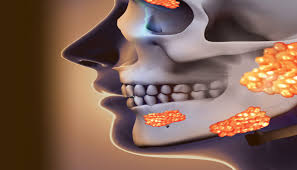 Sjögren's syndrome is a chronic autoimmune disease that causes the destruction of moisture-producing glands, particularly in the eyes and mouth.…
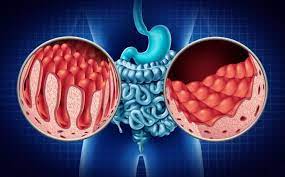 Celiac disease is a serious autoimmune disease that occurs in genetically predisposed people where the ingestion of gluten leads to…
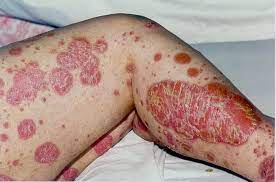 Psoriasis is a chronic autoimmune disease that affects the skin, causing red, scaly patches that can be itchy and painful.…