

Mon – Fri: 07:00 – 17:00
Weekends: By appointment
Holidays: By appointment
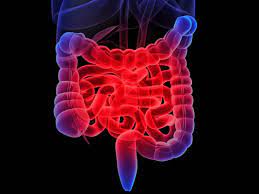
Inflammatory Bowel Disease
Inflammatory bowel disease (IBD) is a group of chronic inflammatory conditions that affect the digestive system. The two most common types of IBD are Crohn’s disease and ulcerative colitis. IBD can cause a range of symptoms, including abdominal pain, diarrhea, and rectal bleeding. Here are some key points to understand about inflammatory bowel disease:
Causes
The exact cause of IBD is not yet fully understood, but researchers believe that a combination of genetic and environmental factors may play a role in its development. Some triggers that have been linked to IBD include:
– Genetics
– Autoimmune disorders
– Viral infections
– Environmental factors
Symptoms
The symptoms of IBD can vary widely depending on the location and severity of the inflammation in the digestive system. Some common symptoms include:
– Abdominal pain and cramping
– Diarrhea
– Rectal bleeding
– Fatigue
– Weight loss
– Loss of appetite
– Anemia
– Joint pain
Diagnosis and Treatment
Diagnosing IBD typically involves a combination of medical history, physical examination, and diagnostic tests such as blood tests, stool tests, and imaging tests. Treatment for IBD involves managing symptoms and reducing inflammation in the digestive system. This can include medications, surgery, and lifestyle changes such as diet and exercise.
Complications
If left untreated, IBD can lead to a range of complications, including:
– Malnutrition
– Bowel obstruction
– Fistulas
– Abscesses
– Colon cancer
– Osteoporosis
It is important to note that with proper management, many people with IBD are able to lead full and active lives. If you suspect that you may have IBD, it is important to speak with your doctor to receive an accurate diagnosis and appropriate treatment.
Conventional treatment options
There are several treatment options available for inflammatory bowel disease (IBD), including medications, surgery, and lifestyle changes. Here are some of the treatment options for IBD:
Medications
Medications are often used to manage IBD symptoms and reduce inflammation in the digestive system. Some examples of medications used to treat IBD include:
– Aminosalicylates: These medications are anti-inflammatory drugs that minimize irritation to the intestines. They are often used to treat mild to moderate IBD.
– Corticosteroids: These medications reduce inflammation in the lining of the intestines, relieving abdominal pain, diarrhea, and other symptoms. They are available as pills, enemas, or suppositories.
– Immunomodulators: These medications calm an overactive immune system.
– Biologics: These medications interrupt signals from the immune system that cause inflammation.
Surgery
Surgery may be necessary for people with severe IBD or complications such as bowel obstruction or fistulas. Surgery may involve removing part or all of the colon or rectum.
Dietary Changes
Making certain dietary changes may help relieve common IBD symptoms, such as constipation and fatigue, as well as improve overall quality of life. Here are some dietary changes that may help manage IBD symptoms:
- Eat a healthy and balanced diet – Eating a healthy and balanced diet can help reduce inflammation and improve energy levels. A diet that is high in fruits, vegetables, whole grains, and lean protein can help manage IBD symptoms.
- Avoid processed foods – Processed foods may worsen IBD symptoms and increase the risk of complications.
- Limit red meat and dairy – While current research on their effects is mixed, a person with IBD may eat red meat and dairy in moderation.
- Stay hydrated – Staying hydrated is important for managing IBD symptoms. Drinking plenty of water and avoiding caffeine, alcohol, and fruit juices may help manage bladder problems.
- Get enough fiber – Getting enough fiber can help ease constipation, which is a common symptom of IBD. Eating plenty of fruits, vegetables, and whole grains can help increase fiber intake.
Homeopathic treatment options
It is important to note that there is limited scientific evidence to support the use of homeopathic remedies in the treatment of inflammatory bowel disease (IBD). While some people may find homeopathic treatments helpful in managing their symptoms, it is important to consult with a healthcare provider before trying any new remedies or supplements. Here are some homeopathic remedies that have been suggested for IBD:
- Alumina – This remedy is used to treat constipation and diarrhea in people with IBD.
- Merc Cor and Merc Sol – These remedies are used to treat inflammation, ulceration, and bleeding in people with IBD.
- Hamamelis – This remedy is used to treat bleeding in people with IBD.
- Colchicum Autumnale – This remedy is used to treat jelly-like mucus in stool in people with IBD.
- Arsenicum Album – This remedy is used to treat offensive odor and blood in stool in people with IBD.
- Mercurius Corrosivus – This remedy is used to treat blood and mucus in stool in people with IBD.
Tags: Abdominal disorder, Diarrhea, Holistic, Homeopathy, IBD, Inflammatory Bowel Disease, Natural, Treatment
Category: Autoimmune
Search
contact info
Related Posts
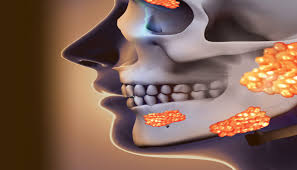 Sjögren's syndrome is a chronic autoimmune disease that causes the destruction of moisture-producing glands, particularly in the eyes and mouth.…
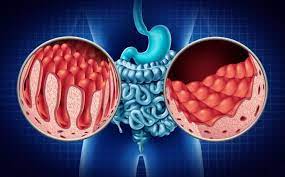 Celiac disease is a serious autoimmune disease that occurs in genetically predisposed people where the ingestion of gluten leads to…
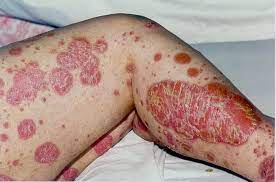 Psoriasis is a chronic autoimmune disease that affects the skin, causing red, scaly patches that can be itchy and painful.…