

Mon – Fri: 07:00 – 17:00
Weekends: By appointment
Holidays: By appointment

Understanding the Basics
Autoimmune conditions are a group of diseases that occur when the immune system mistakenly attacks the body’s own tissues. There are more than 80 autoimmune diseases, and they can affect any part of the body. Some of the most common autoimmune diseases include rheumatoid arthritis, lupus, multiple sclerosis, and type 1 diabetes.
What Causes Autoimmune Diseases?
The exact cause of autoimmune diseases is not yet fully understood. However, researchers believe that a combination of genetic and environmental factors may play a role in their development. For example, infections, exposure to certain chemicals, and stress have been linked to the onset of autoimmune diseases.
Symptoms of Autoimmune Diseases
The symptoms of autoimmune diseases can vary depending on the specific condition and the part of the body affected. However, some common symptoms include fatigue, joint pain, skin rashes, and fever. In some cases, autoimmune diseases can also cause damage to organs and tissues, leading to more severe symptoms.
Diagnosis and Treatment
Diagnosing autoimmune diseases can be challenging, as the symptoms can be similar to those of other conditions. Doctors may use a combination of blood tests, imaging tests, and biopsies to diagnose autoimmune diseases. Treatment for autoimmune diseases typically involves managing symptoms and preventing further damage to the body. This may include medications, lifestyle changes, and in some cases, surgery.
Research and Future Directions
Research into autoimmune diseases is ongoing, and there is still much to be learned about these conditions. However, recent advances in genetics and immunology have led to new treatments and a better understanding of the underlying mechanisms of autoimmune diseases. For example, researchers are exploring the use of gene therapy and immunotherapy to treat autoimmune diseases.
Here are the most common autoimmune diseases and their symptoms:
- Rheumatoid arthritis – This condition causes multiple joints to become inflamed, stiff, and painful. Inflammation in other organs such as the lungs or eyes may also develop. Symptoms include joint pain, stiffness, swelling, and fatigue.
- Lupus – People with lupus usually have inflammation in multiple parts of the body, especially the joints, skin, lining of the lungs, and kidneys. Symptoms include joint pain, fatigue, skin rashes, and fever.
- Type 1 diabetes – This condition affects the pancreas, and the immune system attacks the cells that produce insulin. Symptoms include increased thirst and hunger, frequent urination, fatigue, and blurred vision.
- Multiple sclerosis – This condition affects the central nervous system, and the immune system attacks the protective covering around nerve fibres. Symptoms include muscle weakness, trouble with coordination and balance, and vision problems.
- Inflammatory bowel disease – This includes Crohn’s disease and ulcerative colitis, which affect the digestive tract. Symptoms include abdominal pain, diarrhoea, and weight loss.
- Psoriasis – This is a skin condition that causes red, scaly patches on the skin. Symptoms include skin rashes, itching, and joint pain.
- Sjogren’s syndrome – This condition affects the glands that produce tears and saliva, leading to dry eyes and mouth. Symptoms include dry eyes and mouth, difficulty swallowing, and joint pain.
- Hashimoto’s thyroiditis – This condition affects the thyroid gland, leading to an underactive thyroid. Symptoms include fatigue, weight gain, and sensitivity to cold.
- Celiac disease – This is a digestive disorder that occurs when the immune system reacts to gluten. Symptoms include abdominal pain, diarrhoea, and weight loss.
- Pernicious anaemia – This is a condition in which the immune system attacks the cells in the stomach that produce a protein needed for the absorption of vitamin B12. Symptoms include fatigue, weakness, and tingling in the hands and feet.
Here are some lifestyle changes that can help manage autoimmune diseases:
- Eat a whole food, anti-inflammatory diet – This includes foods that are rich in nutrients and antioxidants, such as fruits, vegetables, whole grains, and lean proteins. Avoid processed foods, sugar, and unhealthy fats.
- Reduce stress – Stress can weaken the immune system and trigger autoimmune flare-ups. Practice stress-reducing techniques such as yoga, meditation, and mindfulness-based stress reduction.
- Get enough sleep – Sleep is important for allowing the immune system to heal and regenerate. Aim for 7-9 hours of sleep per night.
- Exercise regularly – Exercise has been shown to be an important part of managing autoimmune diseases. Listen to your body and start with light exercise such as walking, and gradually increase intensity and frequency.
- Manage hidden infections – Hidden infections such as Lyme disease or Epstein-Barr virus can trigger autoimmune diseases. Work with your doctor to identify and treat any underlying infections.
- Consider complementary and integrative approaches – These may include acupuncture, massage, and herbal supplements. Consult with a healthcare provider before trying any new treatments.
- Avoid environmental toxins – Exposure to chemicals and pollutants can trigger autoimmune diseases. Avoid exposure to toxins by using natural cleaning products, drinking filtered water, and avoiding smoking and second hand smoke.
Tags: Autoimmune, health, Homeopathy, Lifestyle changes
Category: Autoimmune
Search
contact info
Related Posts
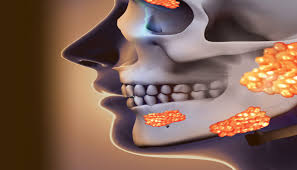 Sjögren's syndrome is a chronic autoimmune disease that causes the destruction of moisture-producing glands, particularly in the eyes and mouth.…
 Celiac disease is a serious autoimmune disease that occurs in genetically predisposed people where the ingestion of gluten leads to…
 Psoriasis is a chronic autoimmune disease that affects the skin, causing red, scaly patches that can be itchy and painful.…