

Mon – Fri: 07:00 – 17:00
Weekends: By appointment
Holidays: By appointment
Dietary requirements for children
The specific nutritional requirements for kids’ diets vary depending on their age, growth, and activity level. Here are some guidelines for a healthy diet for kids based on the latest Dietary Guidelines for Americans:
– Calories: Children aged 4-8 years should aim for 1,200 to 1,800 calories per day, while school-age children (ages 6 to 12) need about 1,500 to 2,000 kilocalories a day.
– Protein: Children need different amounts of specific nutrients at different ages. The recommended daily intake of protein for children aged 4-8 years is 19 grams for girls and 22 grams for boys, while school-age children need about 3 to 5 ounces of protein per day.
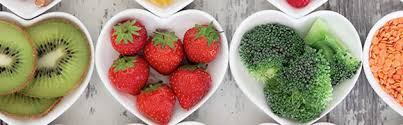
– Fruits and vegetables: Children should aim to eat a variety of fruits and vegetables daily. Each meal should contain at least 1 fruit or vegetable. Children’s recommended fruit intake ranges from 1 cup/day, between ages 1 and 3, to 2 cups for a 14–18-year-old boy. Recommended vegetable intake ranges from ¾ cup a day at age one to 3 cups for a 14–18-year-old boy.
– Grains: Children should consume 4 to 6 ounces of grains per day.
– Dairy: Children aged 4-8 years should consume 1½-2 serves of dairy per day.
– Healthy fats: Children should consume healthy fats from sources of polyunsaturated and monounsaturated fatty acids, such as fish, nuts, and vegetable oils. They should avoid commercially fried fish.
It is important to note that children’s food needs vary widely, depending on their growth and their level of physical activity[5]. Parents should aim to provide a balanced diet that includes plenty of nutrient-dense foods to meet their child’s nutritional needs.
Here are some good sources of protein for kids’ diets:
– Lean meats, such as chicken, turkey, and lean pork
– Fish, such as tuna, salmon, and fish sticks
– Eggs
– Dairy products, such as milk, cheese, and yogurt
– Beans and lentils
– Nuts and seeds, such as almonds, peanuts, and sunflower seeds
– Whole grains, such as quinoa, brown rice, and pasta
– Tofu and other soy products
– Nut butters, such as peanut butter and almond butter
– Vegetables, such as peas and edamame
It is important to note that protein requirements for kids vary depending on their age, gender, and weight. The recommended daily intake of protein for children aged 4-8 years is 19 grams for girls and 22 grams for boys, while school-age children need about 3 to 5 ounces of protein per day. Parents should aim to provide a balanced diet that includes plenty of nutrient-dense foods to meet their child’s nutritional needs.
Here are some good sources of nutrients for kids’ diets:
– Protein: Lean meats, such as chicken, turkey, and lean pork; fish, such as tuna and salmon; eggs; dairy products, such as milk, cheese, and yogurt; beans and lentils; nuts and seeds, such as almonds, peanuts, and sunflower seeds; whole grains, such as quinoa, brown rice, and pasta; tofu and other soy products; nut butters, such as peanut butter and almond butter; and vegetables, such as peas and edamame.
– Fruits and vegetables: Kids should aim to eat a variety of fruits and vegetables daily. Each meal should contain at least 1 fruit or vegetable. Children’s recommended fruit intake ranges from 1 cup/day, between ages 1 and 3, to 2 cups for a 14–18-year-old boy. Recommended vegetable intake ranges from ¾ cup a day at age one to 3 cups for a 14–18-year-old boy.
– Carbohydrates: Kids need carbohydrates for energy. The U.S. Department of Health and Human Services recommends that kids over the age of 1 consume about 130 g of carbohydrates each day.
– Healthy fats: Kids need healthy fats from sources of polyunsaturated and monounsaturated fatty acids, such as fish, nuts, and vegetable oils. They should avoid commercially fried fish.
– Iron: Iron helps kids make red blood cells, which carry oxygen in the body, and it helps children grow. Without it, they can get anemia. Good sources of iron include fish, chicken, turkey, lean meats, nuts, eggs, milk, yogurt, string cheese, peanut butter, and edamame.
Here are some good sources of carbohydrates for kids’ diets:
– Whole-grain cereals, bread, and pasta
– Brown rice
– Fruits, such as apples, bananas, oranges, peaches, pears, plums, grapes, berries, and tomatoes
– Vegetables, such as leafy greens, potatoes, beets, carrots, sweet potatoes, squash, broccoli, cauliflower, and Brussels sprouts
– Legumes, such as beans, lentils, and peas
– Dairy products, such as milk and yogurt
– Sweet potatoes
– Whole-grain crackers
– Oats
Balance diet for children according to age groups
A balanced diet for kids should include a variety of nutrient-dense foods to meet their nutritional needs. Here are some guidelines and examples of a one-day meal plan for kids in different age groups:
For children aged 2-3 years:
– Breakfast: Whole-grain cereal with milk and sliced banana. This meal includes whole grains, protein, and fruit.
– Snack: Sliced apple with peanut butter. This snack is a good source of protein, healthy fats, and fibre.
– Lunch: Grilled cheese sandwich with tomato soup. This meal includes whole grains, protein, and vegetables.
– Snack: Yogurt with mixed berries. This snack is a good source of protein, calcium, and antioxidants.
– Dinner: Baked chicken with sweet potato and green beans. This meal includes lean protein, vegetables, and healthy carbohydrates.
For children aged 4-8 years:
– Breakfast: Scrambled eggs with whole-grain toast and orange slices. This meal includes protein, whole grains, and fruit.
– Snack: Carrot sticks with hummus. This snack is a good source of protein, healthy fats, and vegetables.
– Lunch: Turkey and cheese sandwich with baby carrots and ranch dressing. This meal includes whole grains, protein, and vegetables.
– Snack: Greek yogurt with mixed berries. This snack is a good source of protein, calcium, and antioxidants.
– Dinner: Baked salmon with brown rice and steamed broccoli. This meal includes lean protein, whole grains, and vegetables.
For children aged 9-13 years:
– Breakfast: Greek yogurt with granola and mixed berries. This meal includes protein, healthy carbohydrates, and antioxidants.
– Snack: Apple slices with almond butter. This snack is a good source of protein, healthy fats, and fibre.
– Lunch: Chicken and vegetable stir-fry with brown rice. This meal includes lean protein, vegetables, and whole grains.
– Snack: Trail mix with nuts and dried fruit. This snack is a good source of protein, healthy fats, and fibre.
– Dinner: Baked pork chops with roasted sweet potato and green beans. This meal includes lean protein, vegetables, and healthy carbohydrates.
Tags: Children, diet, health, Healthy living, Homeopathy, Kids diet
Category: Diet
Search
contact info
Related Posts
- Dietary requirements for children The specific nutritional requirements for kids' diets vary depending on their age, growth, and activity level.…
 Nutrient requirement for Men Men have specific nutritional requirements that differ from women due to differences in body composition,…
 Dietary requirement for Woman Women have specific nutritional requirements that differ from men due to differences in body composition,…