

Mon – Fri: 07:00 – 17:00
Weekends: By appointment
Holidays: By appointment
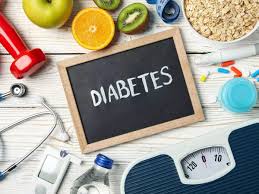
Diabetes Mellitus Insulin Dependence:
Diabetes mellitus insulin dependence, also known as type 1 diabetes, is a chronic disease characterized by hyperglycaemia, impaired metabolism, and storage of important nutrients. It is caused by the body’s immune system attacking and destroying the insulin-producing cells in the pancreas. Insulin is a hormone that regulates blood sugar levels, and without it, the body cannot use glucose for energy, leading to high blood sugar levels.
Symptoms
The symptoms of diabetes mellitus insulin dependence can include:
– Frequent urination
– Excessive thirst
– Extreme hunger
– Unexplained weight loss
– Fatigue
– Blurred vision
– Slow-healing sores or cuts
– Tingling or numbness in the hands or feet
Causes
The exact cause of diabetes mellitus insulin dependence is not yet fully understood, but researchers believe that a combination of genetic and environmental factors may play a role in its development. Some triggers that have been linked to diabetes mellitus insulin dependence include:
– Genetics
– Autoimmune disorders
– Viral infections
– Environmental factors
Diagnosis and Treatment
Diagnosing diabetes mellitus insulin dependence typically involves a blood test to measure blood sugar levels. Treatment for diabetes mellitus insulin dependence involves managing blood sugar levels through insulin therapy, diet, and exercise. Insulin therapy involves injecting insulin into the body to regulate blood sugar levels. Diet and exercise can also help manage blood sugar levels and prevent complications associated with diabetes mellitus insulin dependence.
Insulin Resistance
Insulin resistance is a condition in which the body’s cells become resistant to the effects of insulin, leading to high blood sugar levels. It is a common feature of type 2 diabetes, but it can also occur in people with type 1 diabetes. Insulin resistance is often caused by excess body fat, especially around the belly, and a lack of physical activity. It can also be caused by certain medications, such as steroids.
Potential Complications
If left untreated, diabetes mellitus insulin dependence can lead to a range of complications, including:
– Cardiovascular disease
– Kidney damage
– Nerve damage
– Eye damage
– Foot damage
– Skin conditions
Insulin is a hormone that is produced by the pancreas and plays a crucial role in regulating blood sugar levels in the body. Here are some key points to understand the role of insulin in the body and how it relates to diabetes:
Type 1 diabetes is a chronic condition that can lead to a range of complications if left untreated. Here are some possible complications of type 1 diabetes:
Microvascular Complications
- Retinopathy – Damage to the blood vessels in the retina can lead to vision problems and blindness.
- Nephropathy – Damage to the blood vessels in the kidneys can lead to kidney failure.
- Neuropathy – Damage to the nerves can lead to numbness, tingling, and pain in the hands and feet.
Macrovascular Complications
- Cardiovascular disease – High blood sugar levels can damage the blood vessels and increase the risk of heart attack and stroke.
- Peripheral vascular disease – Damage to the blood vessels in the legs can lead to poor circulation and increased risk of infection and amputation.
Other Complications
- Skin conditions – High blood sugar levels can lead to skin infections and slow healing of wounds.
- Dental problems – High blood sugar levels can increase the risk of gum disease and tooth decay.
- Pregnancy complications – Women with type 1 diabetes have an increased risk of complications during pregnancy, including high blood pressure, premature delivery, and birth defects.
Treatment for Diabetes overview
- Type 1 diabetes – Treatment for type 1 diabetes typically involves insulin therapy, which involves injecting insulin into the body to regulate blood sugar levels. Diet and exercise can also help manage blood sugar levels and prevent complications associated with diabetes mellitus insulin dependence.
- Type 2 diabetes – Treatment for type 2 diabetes typically involves lifestyle changes such as diet and exercise, as well as medications that help regulate blood sugar levels. In some cases, insulin therapy may also be necessary.
Here are the treatments for type 1 diabetes explained:
- Insulin therapy – People with type 1 diabetes must take insulin because their pancreas does not make it. Insulin is usually taken by injection, but it can also be taken using an insulin pen or an insulin pump. The goal of taking insulin is to keep blood sugar levels in a normal range as much as possible.
- Medications – Some people with type 1 diabetes may need to take other medications, in addition to insulin, to help control their blood glucose. These medications work to slow how fast food and beverages move through the stomach and how quickly and how high blood glucose levels rise after eating.
- Counting carbohydrates – People with type 1 diabetes need to count carbohydrates, fats, and protein to help manage their blood sugar levels. This involves learning how to match insulin doses to the food they eat.
- Monitoring blood sugar – People with type 1 diabetes need to monitor their blood sugar levels often, usually several times a day, to make sure they are in a healthy range. This involves pricking the finger to get a small drop of blood that is put on a test strip. The results will tell whether the blood sugar is in a healthy range.
- Eating healthy foods – People with type 1 diabetes need to eat healthy foods to help manage their blood sugar levels. This involves eating a diet that is low in sugar and refined carbohydrates and high in fibre and whole grains.
- Exercising regularly – People with type 1 diabetes need to exercise regularly to help manage their blood sugar levels. This involves doing moderate-intensity exercise, such as brisk walking, for at least 150 minutes per week.
It is important to note that with proper management, many people with type 1 diabetes can prevent or delay the onset of complications. This includes managing blood sugar levels through insulin therapy, diet, and exercise, as well as regular check-ups with a healthcare provider.
Role of Insulin in the Body
- Regulates glucose levels – Insulin regulates glucose levels in the bloodstream and induces glucose storage in the liver, muscles, and adipose tissue, resulting in overall glucose homeostasis.
- Promotes glucose uptake – Insulin promotes glucose uptake by cells in the liver, muscles, and adipose tissue, where it is used for energy or stored as glycogen or fat.
- Stimulates protein synthesis – Insulin stimulates protein synthesis in muscle and other tissues, promoting growth and repair.
Homeopathic treatment options for diabetes
- Syzygium Jambolanum – This remedy is used to treat excessive thirst and frequent urination in people with type 1 diabetes.
- Uranium Nitricum – This remedy is used to treat weakness, fatigue, and other symptoms of type 1 diabetes.
- Phosphoric Acid – This remedy is used to treat weakness, fatigue, and other symptoms of type 1 diabetes.
- Lycopodium – This remedy is used to treat digestive problems, such as bloating and gas, that can occur in people with type 1 diabetes.
Category: Autoimmune
Search
contact info
Related Posts
 Sjögren's syndrome is a chronic autoimmune disease that causes the destruction of moisture-producing glands, particularly in the eyes and mouth.…
 Celiac disease is a serious autoimmune disease that occurs in genetically predisposed people where the ingestion of gluten leads to…
 Psoriasis is a chronic autoimmune disease that affects the skin, causing red, scaly patches that can be itchy and painful.…