

Mon – Fri: 07:00 – 17:00
Weekends: By appointment
Holidays: By appointment

Lupus
Lupus, also known as systemic lupus erythematosus (SLE), is a chronic autoimmune disease that can affect any part of the body, including the skin, joints, and organs. It is more common in women than men, and it often develops between the ages of 15 and 44. Here are some key points to know about lupus:
Symptoms
The symptoms of lupus can vary widely, and they can come and go. Some common symptoms include:
– Fatigue
– Joint pain and swelling
– Skin rashes, especially on the face
– Fever
– Chest pain
– Shortness of breath
– Headaches
– Confusion or memory loss
Causes
The exact cause of lupus is not yet fully understood, but researchers believe that a combination of genetic and environmental factors may play a role in its development. Some triggers that have been linked to lupus include:
– Sunlight
– Infections
– Certain medications
– Hormonal changes
– Stress
Diagnosis and Treatment
Diagnosing lupus can be challenging, as the symptoms can be similar to those of other conditions. Doctors may use a combination of blood tests, imaging tests, and physical exams to diagnose lupus. Treatment for lupus typically involves managing symptoms and preventing further damage to the body. This may include medications, lifestyle changes, and in some cases, surgery.
Complications
Lupus is a chronic autoimmune disease that can affect any part of the body, including the skin, joints, and organs. It is more common in women than men, and it often develops between the ages of 15 and 44. Here are some ways in which lupus differs from other autoimmune diseases:
- Coexistence with other autoimmune diseases – Patients with lupus often manifest features of other autoimmune diseases. In fact, the coexistence of lupus with other autoimmune diseases is an excellent venue to understand these events. The presence of other autoimmune diseases in patients with lupus can be called the kaleidoscope of autoimmunity.
- Overlapping symptoms – Lupus can share similar symptoms with other autoimmune diseases, making it difficult to diagnose. For example, lupus and rheumatoid arthritis (RA) are both autoimmune diseases that can affect the joints. However, lupus can affect many other parts of the body as well, while RA mainly goes after the joints.
- Treatment options – Treatment for lupus typically involves managing symptoms and preventing further damage to the body. This may include medications, lifestyle changes, and in some cases, surgery. Many RA drugs also can treat lupus. However, lupus treatments can vary from person to person as much as its symptoms do.
- Autoantibodies – Autoantibodies are immune system proteins that mistakenly target the body’s own tissues. They are found in a wide range of autoimmune diseases, such as lupus and RA. Many people with low levels of autoantibodies in their blood have no obvious symptoms. However, about half of the people hospitalized with severe COVID-19 had at least one type of autoantibody circulating in their bloodstream, and in some people, the levels of autoantibodies were very high, close to the levels seen in autoimmune diseases.
Lupus is a complex autoimmune disease that can affect any part of the body. It shares some similarities with other autoimmune diseases, but it also has unique features that set it apart. If you suspect that you may have lupus, it is important to speak with your doctor to receive an accurate diagnosis and appropriate treatment.
Conventional treatment options for lupus:
- Nonsteroidal anti-inflammatory drugs (NSAIDs) – Over-the-counter NSAIDs, such as ibuprofen and naproxen, help reduce mild pain and swelling in joints and muscles.
- Antimalarials – A common antimalarial for lupus, hydroxychloroquine, may be used alone or in combination with other drugs to treat fatigue, joint pain, skin rashes, and lung inflammation.
- Corticosteroids – Synthetic cortisone medications are some of the most effective treatments for reducing the swelling, warmth, pain, and tenderness associated with lupus.
- Immunosuppressants – Drugs that suppress the immune system may be helpful in serious cases of lupus. Examples include azathioprine, mycophenolate, methotrexate, cyclosporine, and leflunomide.
- Biologics – These drugs target specific parts of the immune system instead of affecting many areas of the immune system. Belimumab is FDA-approved for treating lupus.
- Voclosporin – In clinical trials, voclosporin has been shown to be effective in treating lupus.
Consult with a healthcare provider to develop a personalized treatment plan. Additionally, lifestyle changes such as avoiding sunlight, getting enough sleep, exercising regularly, managing stress, and avoiding smoking and exposure to environmental toxins can also help manage lupus symptoms.
Possible side effects
Immunosuppressants are a class of drugs that help suppress the immune system. They are commonly used to treat lupus, as the immune system mistakenly attacks the body’s own tissues in this condition. However, these drugs can have potential side effects, including:
- Gastrointestinal problems – The most common side effect of immunosuppressants is diarrhea, affecting about 1 in 5 patients. This typically improves over time.
- Hematological toxicities – Hematological toxicities are side effects that affect the blood. They can include low white blood cell counts, low red blood cell counts, and low platelet counts. These side effects are more common with certain immunosuppressants, such as oral cyclophosphamide.
- Hypertension – High blood pressure is a potential side effect of immunosuppressants, particularly oral cyclophosphamide.
- Nausea and vomiting – Nausea and vomiting are common side effects of immunosuppressants, particularly mycophenolate. These side effects can sometimes be prevented with an anti-nausea medication such as ondansetron.
- Hair loss – Hair loss (alopecia) can occur with some immunosuppressants, such as mycophenolate. However, hair usually grows back when the medication is stopped.
- Skin rashes – Skin rashes can also occur with some immunosuppressants, such as azathioprine. These rashes can be difficult to differentiate from lupus symptoms.
Homeopathic treatment options
Homeopathic treatments for lupus are not scientifically proven to be effective, but some people may find them helpful in managing their symptoms. Here are some homeopathic remedies that have been suggested for lupus:
- Rhus toxicodendron – It is suggested for treating lupus symptoms, such as lower back pain and stiffness in and around the tailbone and joints.
- Apis mellifica – This remedy is used to treat red burning rashes, often associated with fluid retention and swelling.
- Atropa belladonna – This remedy is used to treat headaches in lupus.
- Arsenic album – This remedy is used to treat fatigue in lupus.
- Natrum muriaticum – This remedy is used to treat skin lesions from sun exposure in lupus.
Lifestyle Changes
In addition to medical treatment, lifestyle changes can also help manage lupus. Here are some tips:
– Avoid sunlight and wear protective clothing and sunscreen
– Get enough sleep
– Exercise regularly
– Manage stress
– Avoid smoking and exposure to environmental toxins
Category: Autoimmune
Search
contact info
Related Posts
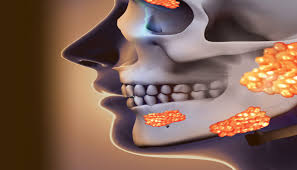 Sjögren's syndrome is a chronic autoimmune disease that causes the destruction of moisture-producing glands, particularly in the eyes and mouth.…
 Celiac disease is a serious autoimmune disease that occurs in genetically predisposed people where the ingestion of gluten leads to…
 Psoriasis is a chronic autoimmune disease that affects the skin, causing red, scaly patches that can be itchy and painful.…