

Mon – Fri: 07:00 – 17:00
Weekends: By appointment
Holidays: By appointment
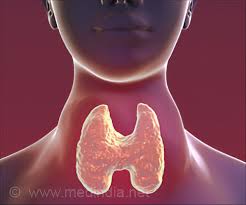
Hashimoto’s thyroiditis, also known as chronic autoimmune thyroiditis, is an autoimmune disease that affects the thyroid gland. In this condition, the immune system attacks the thyroid gland, leading to an underactive thyroid or hypothyroidism. Below are some key points about Hashimoto’s thyroiditis:
Causes:
– Hashimoto’s thyroiditis is caused by the formation of antithyroid antibodies that attack the thyroid tissue, causing progressive fibrosis.
– The exact cause of Hashimoto’s thyroiditis is unknown, but it is believed to be a combination of genetic and environmental factors.
Symptoms:
– Hashimoto’s thyroiditis progresses slowly over the years, and you may not notice signs or symptoms of the disease.
– Eventually, the decline in thyroid hormone production can result in symptoms such as fatigue, weight gain, sensitivity to cold, joint or muscle pain, constipation, heavy or irregular menstruation, and more.
Diagnosis:
– The diagnosis of Hashimoto’s thyroiditis can be challenging, and consequently, the condition is sometimes not diagnosed until late in the disease process.
– The most common laboratory findings demonstrate elevated thyroid-stimulating hormone (TSH) and low thyroxine (T4) levels, coupled with increased antithyroid peroxidase (anti-TPO) antibodies.
Risk factors
Several risk factors can increase the likelihood of developing Hashimoto’s thyroiditis. These include:
– Gender: Women are much more likely to develop Hashimoto’s thyroiditis than men.
– Age: While Hashimoto’s disease can occur at any age, it is more commonly diagnosed in middle-aged individuals, with most cases occurring between 40 and 60 years of age.
– Genetics and family history: Having a family history of thyroid disorders or other autoimmune diseases can increase the risk of developing Hashimoto’s thyroiditis.
– Pregnancy: Typical changes in immune function during pregnancy may be a factor in the development of Hashimoto’s disease that begins after pregnancy.
– Excessive iodine intake: Too much iodine in the diet may function as a trigger for people already at risk of developing Hashimoto’s disease.
– Radiation exposure: People exposed to excessive levels of environmental radiation are more prone to developing Hashimoto’s disease.
– Having another autoimmune disease: Individuals with other autoimmune diseases, such as rheumatoid arthritis, type 1 diabetes, or lupus, have an increased risk of developing Hashimoto’s thyroiditis.
Treatment:
– The treatment of choice for Hashimoto’s thyroiditis is thyroid hormone replacement.
– In some cases, surgery may be necessary to remove the thyroid gland.
Hashimoto’s thyroiditis is a common cause of hypothyroidism in developed countries, and it is most common in adult females and tends to develop between the ages of 40 and 60. While the exact cause of the disease is unknown, it is believed to be a combination of genetic and environmental factors. The diagnosis can be challenging, and consequently, the condition is sometimes not diagnosed until late in the disease process. The treatment of choice for Hashimoto’s thyroiditis is thyroid hormone replacement, and in some cases, surgery may be necessary to remove the thyroid gland.
Hashimoto’s thyroiditis is a chronic autoimmune disease that affects the thyroid gland. While medication is the primary treatment for Hashimoto’s thyroiditis, lifestyle changes can help manage the symptoms and improve quality of life. Here are some lifestyle changes that may help manage Hashimoto’s thyroiditis:
Dietary changes:
– A sugar-free or gluten-free diet may help reduce inflammation and improve thyroid function.
– Eating a Mediterranean-style diet, which includes vegetables, fruit, whole grains, lean protein, and healthy fats, may improve health and make hypothyroidism easier to manage.
– An anti-inflammatory diet rich in fruits and vegetables may significantly improve symptoms.
– Consuming foods rich in vitamins B and D, such as peas, beans, asparagus, sesame seeds, tuna, cheese, milk, and eggs, may help improve thyroid function.
– Avoiding cruciferous vegetables like cabbage and broccoli and soy products may help reduce the risk of goitrogens interfering with the production of thyroxine hormone.
– Cutting out certain foods, such as gluten, dairy, and soy, may significantly improve symptoms and quality of life.
Herbal supplements:
– Ashwagandha and gum guggul are two herbal supplements that may help improve thyroid function.
– It is important to talk to a doctor before taking any herbal supplements, as they may interact with other medications or have unwanted side effects.
Exercise:
– Exercise can help with many side effects of hypothyroidism, including bad mood, low energy, and weight gain.
– Even 10 to 20 minutes of exercise a few times a week is enough to boost energy and mood in people with health conditions like hypothyroidism.
Stress management:
– Stress can worsen the symptoms of Hashimoto’s thyroiditis, so it’s essential to manage stress levels.
– Practicing self-care, such as meditation, yoga, or deep breathing exercises, can help reduce stress levels.
Sleep:
– Getting enough sleep is crucial for managing Hashimoto’s thyroiditis.
– Aim for at least 7-8 hours of sleep per night.
Conventional treatment for Hashimoto’s thyroiditis
Medication:
– The primary treatment for Hashimoto’s thyroiditis is medication with synthetic thyroid hormone called levothyroxine (Levoxyl, Synthroid, others).
– Levothyroxine is used to treat hypothyroidism associated with Hashimoto’s disease.
– The drug is usually taken orally and is typically for life.
– The dosage of levothyroxine is adjusted based on the patient’s thyroid hormone levels.
Surgery:
– Surgery is not a common treatment for Hashimoto’s thyroiditis, but it may be necessary in some cases.
– Surgery is typically recommended only when the thyroid gland enlarges to the point of causing swallowing and breathing problems.
Levothyroxine is the primary medication used to treat Hashimoto’s thyroiditis. While it is generally well-tolerated, there are some potential side effects that patients should be aware of. Here are some of the most common side effects of conventional treatment for Hashimoto’s thyroiditis with levothyroxine:
Common side effects:
– Heat intolerance – Sweating
– Increased appetite – Tremors
– Weight loss or gain – Insomnia
– Fatigue – Anxiety
– Diarrhoea – Irritability
– Nausea – Palpitations
– Vomiting – Increased heart rate
– Headache
Less common side effects:
– Chest pain – Muscle weakness
– Difficulty breathing – Joint pain
– Difficulty swallowing – Hair loss
– Fainting – Skin rash
– Seizures – Irregular menstrual periods
It is important to note that not everyone will experience these side effects, and some people may experience side effects that are not listed here. If you experience any of these side effects or have concerns about your medication, it is essential to speak with your doctor. In some cases, adjusting the dosage of levothyroxine or switching to a different medication may be necessary.
While there is no cure for Hashimoto’s thyroiditis, natural remedies may help manage the side effects of levothyroxine. Here are some natural remedies that may help:
Homeopathic treatment
Homeopathy is a form of alternative medicine that uses natural substances to stimulate the body’s healing process. While there is limited scientific evidence to support the effectiveness of homeopathy in treating Hashimoto’s thyroiditis, some people may find it helpful. Here are some homeopathic remedies that may be used to manage Hashimoto’s thyroiditis:
– Calcarea Carbonica – is a homeopathic remedy for Hashimoto’s thyroiditis in obese people who are always chilly and cannot tolerate cold air.
– Sepia, Natrum Mur, Graphitis, Iodum, Bromium, Thyroidinum:
– These are some of the most common homeopathic medicines used for the treatment of Hashimoto’s thyroiditis.
– Natrum Muriaticum – Natrum Muriaticum is excellent for Hashimoto’s thyroiditis in anaemic persons. They are emaciated, sensitive persons, who may have a history of grief or disappointment.
Other homeopathic remedies that may be used to manage Hashimoto’s thyroiditis:
– Lycopodium Clavatum – Useful in patients who present with symptoms such as weight gain, constipation, and hair loss.
– Graphites – This homeopathic remedy is mainly used for symptoms such as weight gain, constipation, and sensitivity to cold.
– Lodium – Lodium is a homeopathic medicine that may be useful when patients experience symptoms such as weight loss, increased appetite, and heat intolerance.
– Lachesis Mutus – This homeopathic remedy may be helpful for symptoms such as weight gain, hot flashes, and mood swings.
Here are some precautions to be taken while taking homeopathic remedies for Hashimoto’s thyroiditis:
– Consult a homeopath: It is essential to consult a qualified homeopath before taking any homeopathic remedies for Hashimoto’s thyroiditis. A homeopath will evaluate your case history and prescribe the appropriate remedy based on your individual symptoms and needs.
– Avoid self-medication: It is important not to self-medicate with homeopathic remedies. After a detailed evaluation of your case history, an expert homeopath will prescribe you medicines.
– Avoid strong odours: Homeopathic remedies should be kept away from strong odors like camphor, paint, and chemicals. They should also not be exposed to direct sunlight or magnets.
– Avoid touching the medicine: It is important not to touch the homeopathic medicine with your hands. Use a clean spoon and place it under your tongue to avoid infecting it.
– Inform your homeopath before taking any new medications: It is important to inform your homeopath before taking any new medications, as they may interact with the homeopathic remedies.
In conclusion, it is essential to consult a qualified homeopath before taking any homeopathic remedies for Hashimoto’s thyroiditis. It is also important to follow the precautions mentioned above to ensure the safe and effective use of homeopathic remedies.
Tags: diet, Hashimoto's, Holistic, Homeopathic, Homeopathy, Hypothyroidism, levothyroxine, Natural, Side effects, Thyroid, Thyroiditis, Treatment, Understanding
Category: Autoimmune
Search
contact info
Related Posts
 Sjögren's syndrome is a chronic autoimmune disease that causes the destruction of moisture-producing glands, particularly in the eyes and mouth.…
 Celiac disease is a serious autoimmune disease that occurs in genetically predisposed people where the ingestion of gluten leads to…
 Psoriasis is a chronic autoimmune disease that affects the skin, causing red, scaly patches that can be itchy and painful.…