

Mon – Fri: 07:00 – 17:00
Weekends: By appointment
Holidays: By appointment
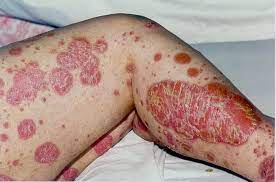
Psoriasis is a chronic autoimmune disease that affects the skin, causing red, scaly patches that can be itchy and painful. The condition affects an estimated 7.5 million Americans (2.2% of the population) . Here are some key points to understand about psoriasis:
Causes
The exact cause of psoriasis is not yet fully understood, but researchers believe that a combination of genetic and environmental factors may play a role in its development. Some triggers that have been linked to psoriasis include:
– Genetics: People with a family history of psoriasis are at a higher risk of developing the condition.
– Autoimmune disorders: Psoriasis is thought to be an autoimmune disorder, in which the immune system mistakenly attacks healthy cells in the skin.
– Viral infections: Some viral infections have been linked to the development of psoriasis.
– Environmental factors: Certain environmental factors, such as injury, sunburn, certain classes of medicines, infection, stress, alcohol, or tobacco may trigger psoriasis.
Symptoms
The symptoms of psoriasis can vary widely depending on the type and severity of the condition. Some common symptoms include:
– Red, scaly patches of skin
– Itching or burning sensation
– Dry, cracked skin that may bleed
– Thickened, pitted or ridged nails
– Swollen and stiff joints
Diagnosis and Treatment
Diagnosing psoriasis typically involves a combination of medical history, physical examination, and diagnostic tests such as skin biopsy. Treatment for psoriasis involves managing symptoms and reducing inflammation in the skin. This can include medications, light therapy, and lifestyle changes such as diet and exercise.
Types of Psoriasis
There are several types of psoriasis, including:
– Plaque psoriasis: The most common type of psoriasis, plaque psoriasis causes dry, itchy, raised skin patches (plaques) covered with scales. They usually appear on the elbows, knees, lower back, and scalp.
– Guttate psoriasis: This type of psoriasis causes small, red spots on the skin. It often develops after a bacterial infection, such as strep throat.
– Inverse psoriasis: This type of psoriasis causes smooth, red patches of skin that are often found in skin folds, such as the armpits, groin, and under the breasts.
– Pustular psoriasis: This is a rare and severe form of psoriasis, in which the skin surface becomes scaly and red. The disease covers all or nearly all of the body.
– Erythrodermic psoriasis: The least common type of psoriasis, erythrodermic psoriasis can cover the entire body with a peeling rash that can itch or burn intensely.
Lifestyle Changes
Making certain lifestyle changes may help relieve common psoriasis symptoms, such as itching and dryness, as well as improve overall quality of life. Here are some lifestyle changes that may help manage psoriasis symptoms:
– Moisturize regularly: Applying moisturizer can help relieve dryness and itching.
– Avoid triggers: Avoiding triggers such as stress, injury, sunburn, and certain medications may help prevent psoriasis flare-ups.
– Eat a healthy and balanced diet: Eating a diet that is high in fruits, vegetables, whole grains, and lean protein can help manage psoriasis symptoms.
– Exercise regularly: Regular exercise can help improve overall fitness and reduce stress, which may help manage psoriasis symptoms.
It is important to note that the treatment plan for psoriasis will vary depending on the individual and the specific symptoms they are experiencing. Consult with a healthcare provider to develop a personalized treatment plan that includes both conventional and alternative therapies.
Symptoms
The symptoms of psoriasis also vary based on the type. Here are the different types of psoriasis and their symptoms:
- Plaque Psoriasis: This is the most common type of psoriasis, affecting up to 80 percent of those with psoriasis. Plaques can appear anywhere on the body as raised patches of inflamed, itchy, and painful skin with scales. For some people, the skin may be red with silvery-white scales. For others, plaques may look more purple.
- Guttate Psoriasis: This type of psoriasis affects roughly 8 percent of people living with psoriasis. Signs of guttate psoriasis include small, round, red or discolored spots caused by inflammation. Guttate psoriasis often appears on the arms, legs, and torso; however, it can affect any area of the body.
- Inverse Psoriasis: This type of psoriasis causes smooth, red patches of skin that are often found in skin folds, such as the armpits, groin, and under the breasts.
- Pustular Psoriasis: This is a rare and severe form of psoriasis, in which the skin surface becomes scaly and red. The disease covers all or nearly all of the body. Symptoms include pustules (white, pus-filled, painful bumps) that may be surrounded by inflamed or reddened/discolored skin.
- Erythrodermic Psoriasis: The least common type of psoriasis, erythrodermic psoriasis can cover the entire body with a peeling rash that can itch or burn intensely.
- Psoriatic Arthritis: This type of psoriasis affects the joints, causing stiffness, swelling, and pain. It can also cause changes in the nails, such as pitting or separation from the nail bed.
- Nail Psoriasis: This type of psoriasis affects the nails, causing changes in color, texture, and shape. Nails may become pitted, thickened, or ridged.
- Scalp Psoriasis: This type of psoriasis affects the scalp, causing red, scaly patches that may be itchy and painful.
It is important to note that the treatment plan for psoriasis will vary depending on the individual and the specific symptoms they are experiencing. Consult with a healthcare provider to develop a personalized treatment plan that includes both conventional and alternative therapies.
Treatment
There are several treatment options available for the different types of psoriasis, including medications, light therapy, and lifestyle changes. Here are some of the treatment options for psoriasis:
Topical Therapy
Topical therapy is often the first line of treatment for mild to moderate psoriasis. Some examples of topical medications used to treat psoriasis include:
– Corticosteroids: These drugs are the most frequently prescribed medications for treating mild to moderate psoriasis. They are available as oils, ointments, creams, lotions, gels, foams, sprays, and shampoos. Mild corticosteroid ointments (hydrocortisone) are usually recommended for sensitive areas, such as the face or skin folds, and for treating widespread patches. Topical corticosteroids might be applied once a day during flares, and on alternate days or weekends during remission.
– Vitamin D analogues: These medications are synthetic forms of vitamin D that help slow down the growth of skin cells. They are available as creams, ointments, and solutions.
– Retinoids: These medications are synthetic forms of vitamin A that help reduce inflammation and slow down the growth of skin cells. They are available as creams, gels, and solutions.
– Salicylic acid: This medication helps remove scales and reduce inflammation. It is available as a cream, ointment, or shampoo.
Light Therapy
Light therapy, also known as phototherapy, involves exposing the skin to ultraviolet light. Some examples of light therapy used to treat psoriasis include:
– UVB therapy: This involves exposing the skin to UVB light, which slows down the growth of skin cells and reduces inflammation.
– PUVA therapy: This involves taking a medication called psoralen, which makes the skin more sensitive to UVA light. The skin is then exposed to UVA light, which slows down the growth of skin cells and reduces inflammation.
Systemic Medications
Systemic medications are medications that work throughout the body to reduce inflammation and slow down the growth of skin cells. Some examples of systemic medications used to treat psoriasis include:
– Biologics: These medications target parts of the immune system and stop them, which will lessen your symptoms.
– Immunosuppressant medications: These drugs lower your body’s immune response, which will help ease the symptoms of psoriasis.
– Oral medications: These are also used to reduce inflammation and slow down the growth of skin cells.
Lifestyle Changes
Making certain lifestyle changes may help relieve common psoriasis symptoms, such as itching and dryness, as well as improve overall quality of life. Here are some lifestyle changes that may help manage psoriasis symptoms:
– Moisturize regularly: Applying moisturizer can help relieve dryness and itching.
– Avoid triggers: Avoiding triggers such as stress, injury, sunburn, and certain medications may help prevent psoriasis flare-ups.
– Eat a healthy and balanced diet: Eating a diet that is high in fruits, vegetables, whole grains, and lean protein can help manage psoriasis symptoms.
– Exercise regularly: Regular exercise can help improve overall fitness and reduce stress, which may help manage psoriasis symptoms.
It is important to note that the treatment plan for psoriasis will vary depending on the individual and the specific symptoms they are experiencing. Consult with a healthcare provider to develop a personalized treatment plan that includes both conventional and alternative therapies.
Injected Medications
Most of the injectable medications for treating psoriasis are known as biologic drugs, or “biologics.” Some side effects of biologic drugs include:
– A higher risk of respiratory or urinary tract infections.
– Headaches.
– Flu-like symptoms, such as low energy and body aches.
– Reactions at the injection site, such as redness, swelling, or discomfort.
Oral Medications
Some examples of oral medications used to treat psoriasis include:
– Cyclosporine: This medication can cause side effects such as tingling skin, numbness, or pins and needles, headaches, joint pain, muscle twitching, increased hair growth, and high blood pressure.
– Methotrexate: This medication can cause side effects such as fatigue, nausea, vomiting, headache, trouble sleeping, lightheadedness, mouth sores, bruising, bleeding, diarrhea, chills, hair loss, and skin rash.
Common Side Effects
Common side effects of both oral and injected medications for psoriasis include:
– Increased risk of infections, including respiratory and urinary tract infections.
– Headaches.
– Nausea.
– Diarrhea.
– Fatigue.
– Muscle aches and pains.
– Skin rash or irritation.
It is important to note that the side effects of oral and injected medications for psoriasis will vary depending on the individual and the specific medication they are taking. Consult with a healthcare provider to develop a personalized treatment plan that includes both conventional and alternative therapies.
Homeopathic treatment
Homeopathy is a natural and safe method of treatment for psoriasis. It uses natural medicine, which is free from side-effects, and a majority of cases can be treated with these remedies. Homeopathic remedies can be used by people of all age groups. They work by moderating the over-active immune system. The initial aim is to manage the itching and burning sensation in the eruptions. In addition, healing of the current eruptions takes place along with the prevention of further spread of eruptions. Homeopathic medicines also are very beneficial for treating joint pains that are linked with psoriasis (psoriatic arthritis).
– Arsenic Album – For Silver Scales
– Graphites Naturalis – For Psoriasis with Cracks and Fissures
– Arsenic Iodatum – For Psoriasis with Itching and Burning Sensation
– Sepia – For Psoriasis with Dry, Scaly, and Itchy Skin
– Sulfur – For Psoriasis with Burning Sensation and Itching
– Petroleum – For Psoriasis with Thick, Crusty, and Dry Skin
– Staphysagria – For Psoriasis with Itching and Burning Sensation
– Mercurius Solubilis – For Psoriasis with Pus-filled Blisters
It is important to note that homeopathic remedies should not replace conventional medicine in the treatment of psoriasis. Consult with a healthcare provider before trying any new remedies or supplements. Additionally, lifestyle changes such as regular exercise, healthy diet, stress management techniques, and adequate sleep can also help manage psoriasis symptoms.
Homeopathic treatments for psoriasis have been suggested to be effective in managing the symptoms of the condition. Here are some of the benefits of using homeopathic treatments for psoriasis:
– Safe and Natural: Homeopathic remedies are made from natural substances and are free from side effects. They are safe to use and can be used by people of all age groups.
– Effective: Homeopathic remedies are effective in managing the symptoms of psoriasis. They work by moderating the over-active immune system and managing the itching and burning sensation in the eruptions. In addition, healing of the current eruptions takes place along with the prevention of further spread of eruptions.
– Treats Joint Pains: Homeopathic remedies are also beneficial for treating joint pains that are linked with psoriasis (psoriatic arthritis).
– Long-Lasting Relief: Homeopathic remedies work at the nanomolecular level and help the immune system to set right the misplaced defense attacks. Thus, homeopathy does not only have a long-lasting effect, but a lasting cure.
– Personalized Treatment: Homeopathy offers a vast range of medicines for treating psoriasis with excessive scale exfoliation. After a thorough consideration of the constitutional makeup of an individual, a detailed history taking of the patient’s mental as well physical preferences and characteristics, a suitable homeopathic remedy is given.
Consult with a healthcare provider before trying any new remedies or supplements. Additionally, lifestyle changes such as regular exercise, healthy diet, stress management techniques, and adequate sleep can also help manage psoriasis symptoms.
Tags: Autoummine, Causes, Holistic, Homeopathy, Natural, Psoriasis, Skin conditions, Treatment, Types of psoriasis
Category: Autoimmune, Skin
Search
contact info
Related Posts
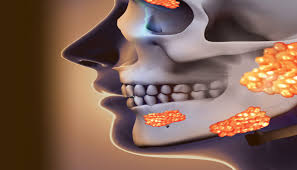 Sjögren's syndrome is a chronic autoimmune disease that causes the destruction of moisture-producing glands, particularly in the eyes and mouth.…
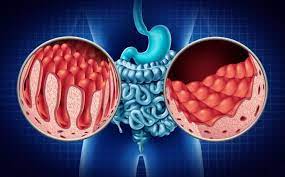 Celiac disease is a serious autoimmune disease that occurs in genetically predisposed people where the ingestion of gluten leads to…
- Psoriasis is a chronic autoimmune disease that affects the skin, causing red, scaly patches that can be itchy and painful.…