

Mon – Fri: 07:00 – 17:00
Weekends: By appointment
Holidays: By appointment
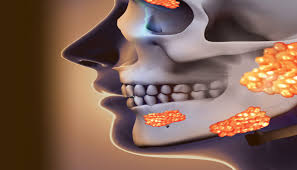
Sjögren’s syndrome is a chronic autoimmune disease that causes the destruction of moisture-producing glands, particularly in the eyes and mouth. It is named after Henrik Sjögren, a Swedish eye doctor who first described the condition. While dry mouth and dry eyes are the primary symptoms, most people who have these problems don’t have Sjögren’s syndrome. According to the National Institute of Arthritis and Musculoskeletal and Skin Diseases, Sjögren’s syndrome affects an estimated 1-4 million Americans.
Causes
Sjögren’s syndrome is an autoimmune disease, which means something triggers your immune system to attack healthy cells. This attack damages the tear system in your eyes and the salivary glands in your mouth. Exactly what causes this abnormal immune system response is not clear. These factors may play a role:
– Environmental factors.
– Genetics.
– Sex hormones (the condition affects more women than men).
– Viral infections.
Symptoms
The main symptoms of Sjögren’s syndrome are dry eyes and mouth, but other parts of the body may be affected as well, with many people reporting fatigue and joint and muscle pain. In addition, the disease can damage the lungs, kidneys, and nervous system. Sjögren’s syndrome predominantly affects women. The symptoms may include:
– Dry eyes
– Dry mouth
– Fatigue
– Joint pain
– Dry skin
– Dry nasal passages and throat, and a dry cough
– Skin rashes
– Muscle aches
– Acid reflux
– Vaginal dryness
– Swelling of the glands around the face and neck
– Trouble swallowing or speaking
Diagnosis and Treatment
Diagnosing Sjögren’s syndrome typically involves a combination of medical history, physical examination, and diagnostic tests such as blood tests and a biopsy of the salivary gland. Treatment for Sjögren’s syndrome involves managing symptoms and reducing inflammation in the affected areas. This can include medications, such as artificial tears and saliva, anti-inflammatory drugs, and immune system suppressors. Lifestyle changes such as regular exercise, healthy diet, stress management techniques, and adequate sleep can also help manage Sjögren’s syndrome symptoms.
It is important to note that the treatment plan for Sjögren’s syndrome will vary depending on the individual and the specific symptoms they are experiencing. Consult with a healthcare provider to develop a personalized treatment plan that includes both conventional and alternative therapies.
Prevention
There is no known way to prevent Sjögren’s syndrome. However, taking steps to maintain overall health and wellness, such as eating a healthy diet, getting regular exercise, and managing stress, may help reduce the risk of developing autoimmune diseases.
In conclusion, Sjögren’s syndrome is a chronic autoimmune disease that affects the moisture-producing glands in the eyes and mouth. While there is no cure for the condition, managing symptoms and reducing inflammation can help improve quality of life. Consult with a healthcare provider to develop a personalized treatment plan that includes both conventional and alternative therapies.
Treatment
Sjögren’s syndrome is a chronic autoimmune disease that affects the moisture-producing glands in the eyes and mouth. While there is no cure for the condition, managing symptoms and reducing inflammation can help improve quality of life. Here are some of the treatment options for Sjögren’s syndrome:
Medications
Medications are often used to manage Sjögren’s syndrome symptoms and reduce inflammation in the affected areas. Some examples of medications used to treat Sjögren’s syndrome include:
– Artificial tears: These are eye drops that can help relieve dry eyes.
– Saliva substitutes: These are products that can help relieve dry mouth.
– Nonsteroidal anti-inflammatory drugs (NSAIDs): These drugs can help relieve joint pain caused by Sjögren’s syndrome.
– Immunosuppressive medications: These drugs can help reduce inflammation and suppress the immune system.
– Hydroxychloroquine: This medication is often helpful in treating Sjögren’s syndrome.
– Antifungal medications: These drugs can help treat yeast infections in the mouth.
Surgery
In some cases, surgery may be necessary to manage Sjögren’s syndrome symptoms. For example, punctual occlusion is a procedure in which the tear ducts are plugged to help keep the eyes moist.
Lifestyle Changes
Making certain lifestyle changes may help relieve common Sjögren’s syndrome symptoms, such as dry eyes and dry mouth, as well as improve overall quality of life. Here are some lifestyle changes that may help manage Sjögren’s syndrome symptoms:
– Drink plenty of water: Staying hydrated can help relieve dry mouth.
– Use a humidifier: Using a humidifier can help relieve dry eyes and dry mouth.
– Avoid caffeine and alcohol: These substances can worsen dry mouth.
– Eat a healthy and balanced diet: Eating a diet that is high in fruits, vegetables, whole grains, and lean protein can help manage Sjögren’s syndrome symptoms.
– Exercise regularly: Regular exercise can help improve overall fitness and reduce stress, which may help manage Sjögren’s syndrome symptoms.
It is important to note that the treatment plan for Sjögren’s syndrome will vary depending on the individual and the specific symptoms they are experiencing. Consult with a healthcare provider to develop a personalized treatment plan that includes both conventional and alternative therapies.
Complementary treatment
There are several complementary or alternative treatments available for Sjögren’s syndrome. Here are some of the options:
– Acupuncture: Acupuncture is a traditional Chinese medicine technique that involves inserting thin needles into specific points on the body. It has been suggested to be helpful in managing the symptoms of Sjögren’s syndrome.
– Chinese Herbal Medicine: Chinese herbal medicine has been suggested to be helpful in managing the symptoms of Sjögren’s syndrome. A systematic review of randomized trials found that Chinese herbal medicine may be effective in treating primary Sjögren’s syndrome.
– Homeopathy: Homeopathic remedies have been suggested to be effective in managing the symptoms of Sjögren’s syndrome. Some examples of homeopathic remedies used to treat Sjögren’s syndrome include Nux Moschata, Belladonna, and Rhus Tox.
– Nutrition: Eating a healthy and balanced diet may help manage Sjögren’s syndrome symptoms. Some foods that may be helpful include omega-3 fatty acids, which are found in fish and flaxseed, and vitamin C, which is found in citrus fruits and leafy greens.
– Lifestyle Changes: Making certain lifestyle changes may help relieve common Sjögren’s syndrome symptoms, such as dry eyes and dry mouth, as well as improve overall quality of life. Here are some lifestyle changes that may help manage Sjögren’s syndrome symptoms:
– Drink plenty of water: Staying hydrated can help relieve dry mouth.
– Use a humidifier: Using a humidifier can help relieve dry eyes and dry mouth.
– Avoid caffeine and alcohol: These substances can worsen dry mouth.
– Exercise regularly: Regular exercise can help improve overall fitness and reduce stress, which may help manage Sjögren’s syndrome symptoms.
It is important to note that the treatment plan for Sjögren’s syndrome will vary depending on the individual and the specific symptoms they are experiencing. Consult with a healthcare provider to develop a personalized treatment plan that includes both conventional and alternative therapies.
Homeopathic treatment
Homeopathic remedies have been suggested to be effective in managing the symptoms of Sjögren’s syndrome. Here are some of the homeopathic remedies that have been suggested for Sjögren’s syndrome:
– Nux Moschata: This remedy is used to treat dry mouth and eyes in people with Sjögren’s syndrome.
– Atropa belladonna: This remedy is used to manage dry eyes in people with Sjögren’s syndrome.
– Rhus Toxicodendron: This remedy is used to manage joint pains in people with Sjögren’s syndrome.
– Tub, Tub-m, Silica, Brass-n-o, Lapr: These remedies have shown positive outcomes in the treatment of Sjögren’s syndrome.
– Bryonia, Alumina, Ammonium carb, Pulsatilla: These remedies have shown advantageous effects in Sjögren’s syndrome.
It is important to note that homeopathic remedies should not replace conventional medicine in the treatment of Sjögren’s syndrome. Consult with a healthcare provider before trying any new remedies or supplements. Additionally, lifestyle changes such as regular exercise, healthy diet, stress management techniques, and adequate sleep can also help manage Sjögren’s syndrome symptoms.
Tags: Autoimmune, Causes, Holistic, Homeopathy, moisture-production glands, Natural, SJÖGREN'S SYNDROME, Treatment
Category: Autoimmune
Search
contact info
Related Posts
- Sjögren's syndrome is a chronic autoimmune disease that causes the destruction of moisture-producing glands, particularly in the eyes and mouth.…
 Celiac disease is a serious autoimmune disease that occurs in genetically predisposed people where the ingestion of gluten leads to…
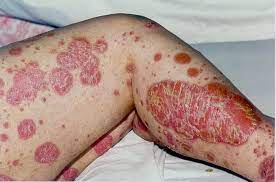 Psoriasis is a chronic autoimmune disease that affects the skin, causing red, scaly patches that can be itchy and painful.…