

Mon – Fri: 07:00 – 17:00
Weekends: By appointment
Holidays: By appointment

Homeopathy is a complementary and alternative therapy that has been used by cancer patients to alleviate symptoms related to cancer treatment. Homeopathy is believed to increase the quality of life and overall survival of cancer patients when combined with conventional treatment.
A systematic review concluded that homeopathy is safe and without adverse effects, either direct or indirect, when used in cancer patients. The present study examined the feasibility of a homeopathic consultation and treatment regimen, provided as part of an integrative medicine service located within an oncology institute in central Israel. The study found that homeopathy has the potential to reduce symptoms related to cancer treatment. However, randomized controlled trials are needed to test the effectiveness of homeopathy in alleviating cancer and treatment-related toxicities.
A prospective observational study of two independent cohorts observed an improvement in the quality of life and a tendency of fatigue symptoms to decrease in cancer patients who received classical homeopathy treatment. The study concluded that homeopathic care may be beneficial for cancer patients.
In summary, while homeopathy has been used by cancer patients to alleviate symptoms related to cancer treatment, the results of clinical trials have been inconsistent, and the use of homeopathy in cancer patients is unjustified. However, homeopathy has the potential to reduce symptoms related to cancer treatment, and randomized controlled trials are needed to test its effectiveness. A prospective observational study observed an improvement in the quality of life and a tendency of fatigue symptoms to decrease in cancer patients who received classical homeopathy treatment.
Treatment
Conventional treatment for cancer
Conventional treatments for cancer include surgery, radiation therapy, chemotherapy, targeted therapy, immunotherapy, and hormonal therapy. The specific treatment used depends on the type of cancer, the extent of the disease, its rate of progression, the condition of the patient, and the response to therapy.
Surgery
Surgery is a common treatment for many types of cancer, and the goal is to remove the mass of cancerous cells (tumours) and some of the nearby tissue. Radiation therapy uses high-energy radiation to kill cancer cells and shrink tumours. Chemotherapy refers to drugs used to kill cancer cells, and the drugs may be given by mouth or into a blood vessel (IV). Targeted therapy zeroes in on specific targets (molecules) in cancer cells. Immunotherapy uses the body’s immune system to fight cancer. Hormonal therapy is used to treat cancers that are sensitive to hormones, such as breast and prostate cancer.
It is important to note that the specific treatment used depends on the individual case, and a healthcare provider will recommend one or more ways to treat the disease. The goal of treatment is to completely remove the cancer from the body or kill all the cancer cells. Any cancer treatment can be used as a primary treatment, but the most common primary cancer treatment for the most common types of cancer is surgery. Many cancer treatments are available, and treatment options will depend on several factors, such as the type and stage of cancer, general health, and preferences.
Homeopathic treatment
Homeopathic treatment for cancer and / or side effect of conventional treatment
According to the search results, homeopathic remedies are generally considered safe and without adverse effects, either direct or indirect, when used in cancer patients. However, it is important to note that the results of clinical trials have been inconsistent, and the use of homeopathy in cancer patients is unjustified. Therefore, it is crucial to consult with a healthcare provider before using any homeopathic remedies, especially in conjunction with conventional cancer treatment.
While homeopathic remedies are generally considered safe, they may interact with other medications or supplements that a cancer patient is taking. Therefore, it is important to inform healthcare providers about any dietary supplements, such as herbs, vitamins, minerals, and natural or home remedies, that a cancer patient is taking.
In summary, homeopathic remedies are generally considered safe and without adverse effects when used in cancer patients. However, it is important to consult with a healthcare provider before using any homeopathic remedies, especially in conjunction with conventional cancer treatment, and to inform healthcare providers about any dietary supplements that a cancer patient is taking.
– Sulphur: A remedy used to treat skin conditions, digestive problems, and respiratory issues.
– Sepia officianalis: A remedy used to treat hormonal imbalances, fatigue, and mood swings.
– Carcinosin: A remedy used to treat anxiety, depression, and sleep disorders.
– Natrum muriaticum: A remedy used to treat headaches, digestive issues, and emotional imbalances.
– Atropa belladonna: A remedy used to treat fever, inflammation, and pain.
– Arnica: A remedy used to treat pain, inflammation, and bruising,
– Calcarea carbonica: A remedy used to treat anxiety, fatigue, and digestive issues[.
– Lachesis: A remedy used to treat hot flashes, anxiety, and mood swings.
– Kalium carbonicum: A remedy used to treat respiratory issues, fatigue, and joint pain.
It is important to note that the results of clinical trials have been inconsistent, and the use of homeopathy in cancer patients is unjustified. Therefore, it is crucial to consult with a healthcare provider before using any homeopathic remedies, especially in conjunction with conventional cancer treatment.
Tags: Cancer, Complementary, Holistic, Homeopathy, Natural, Treatment
Category: Cancer
Search
contact info
Related Posts
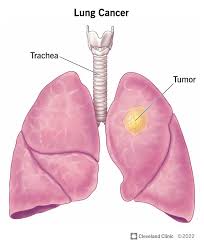 Lung cancer is a deadly form of cancer that begins in the cells of the lungs. It is the leading…
 Breast cancer awareness month: October Breast cancer is a disease in which cells in the breast grow out of control,…
- Homeopathy is a complementary and alternative therapy that has been used by cancer patients to alleviate symptoms related to cancer…