

Mon – Fri: 07:00 – 17:00
Weekends: By appointment
Holidays: By appointment

Breast cancer awareness month: October
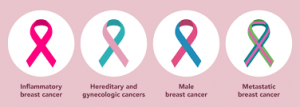
Breast cancer is a disease in which cells in the breast grow out of control, forming a mass or sheet of cells called a tumour. A tumour can be cancerous or noncancerous, also called benign. A cancerous tumour is malignant, meaning it can grow and spread to other parts of the body. A benign tumour means the tumour can grow but has not spread. Breast cancer can spread outside the breast through blood vessels and lymph vessels. When breast cancer spreads to other parts of the body, it is said to have metastasized. The stage of breast cancer describes how much the cancer has grown, and if or where it has spread. Although breast cancer most commonly spreads to nearby lymph nodes, it can also spread further through the body through the blood vessels and/or lymph nodes to areas such as the bones, lungs, liver, and brain. Breast cancer is the most common cancer diagnosed in women, accounting for more than 1 in 10 new cancer diagnoses each year. It is the second most common cause of death from cancer among women in the world.
– Scope of the problem: In 2020, there were 2.3 million women diagnosed with breast cancer and 685,000 deaths globally. As of the end of 2020, there were 7.8 million women alive who were diagnosed with breast cancer in the past 5 years, making it the world’s most prevalent cancer.
– Risk factors: Certain factors increase the risk of breast cancer, including increasing age, obesity, harmful use of alcohol, family history of breast cancer, history of radiation exposure, reproductive history, tobacco use, and postmenopausal hormone therapy. Approximately half of breast cancers develop in women who have no identifiable breast cancer risk factor other than gender (female) and age (over 40 years).
– Diagnosis: Breast cancer evolves silently, and most disease is discovered on routine screening. Physical examination, imaging, especially mammography, and tissue biopsy must be done to diagnose breast cancer. The survival rate improves with early diagnosis. The tumour tends to spread lymphatically and haematologically, leading to distant metastasis and poor prognosis. This explains and emphasizes the importance of breast cancer screening programs.
– Treatment: Treatment options for breast cancer include surgery, radiation therapy, chemotherapy, hormone therapy, and targeted therapy. The choice of treatment depends on the stage of the cancer, the patient’s age and overall health, and other factors.
– Research: There is ongoing research on breast cancer, including studies on risk factors, classification, prognostic markers, and treatment strategies. The National Cancer Institute (NCI) helps fund thousands of studies nationwide to better understand and treat breast cancer.
Worldwide statistic
Breast cancer is a significant global health issue, affecting millions of people worldwide. Here are some worldwide statistics on breast cancer:
– In 2020, there were 2.3 million women diagnosed with breast cancer globally, and 685,000 deaths from the disease.
– Breast cancer is the most common cancer diagnosed in women worldwide, accounting for more than 1 in 10 new cancer diagnoses each year.
– Since 2008, worldwide breast cancer incidence has increased by more than 20 percent.
– The 10 countries with the highest rates of breast cancer in women and the highest number of deaths from breast cancer in women in 2020 were the United States, Belgium, the Netherlands, Luxembourg, France, Denmark, Australia, New Zealand, Finland, and France, New Caledonia.
– Breast cancer mortality in high-income countries dropped by 40% between the 1980s and 2020.
– The objective of the WHO Global Breast Cancer Initiative (GBCI) is to reduce global breast cancer mortality by 2.5% per year, thereby averting 2.5 million breast cancer deaths globally between 2020 and 2040.
– In the United States, breast cancer is the most commonly diagnosed cancer in women, besides skin cancer. The disease accounts for 1 in 3 of new female cancers annually. In 2023, an estimated 297,790 women in the United States will be diagnosed with invasive breast cancer, and 55,720 women will be diagnosed with non-invasive (in situ) breast cancer.
– Despite a similar incidence, mortality from breast cancer among Black women is 40% higher compared with White women.
These statistics highlight the importance of breast cancer awareness, early detection, and treatment. Regular screening and early diagnosis can greatly improve the chances of survival.
Facts about breast cancer
- Breast cancer is the most common cancer diagnosed in women worldwide, accounting for more than 1 in 10 new cancer diagnoses each year.
- The average U.S. woman has about a 12 percent risk of breast cancer in her lifetime. That means 1 in 8 women will develop the disease.
- Breast cancer is more common among white women and African American women. While the rates for white women have stabilized, the rates of breast cancer in African American women have increased slightly in recent years.
- A breast lump is the most common symptom, but it’s not the only one that signals breast cancer. Signs can also include swelling of part or all of the breast, skin irritation, nipple retraction, and more.
- Breast cancer occurs almost entirely in women. 99% of breast cancer cases occur in women. This means that while breast cancer in men is very rare, it does occur.
- Breast cancer is the second leading cause of cancer death among women in the US and the first leading cause of cancer death among women globally.
- Regular mammograms really work. Decades of research show that women who are screened regularly are more likely to find their breast cancer early. That makes these women less likely to need aggressive treatment and more likely to be cured.
- Breast cancer mortality in high-income countries dropped by 40% between the 1980s and 2020.
- Certain factors increase the risk of breast cancer, including increasing age, obesity, harmful use of alcohol, family history of breast cancer, history of radiation exposure, reproductive history, tobacco use, and postmenopausal hormone therapy.
- Advances in early detection and treatment methods have significantly increased breast cancer survival rates in recent years, and there are currently over 3.8 million breast cancer survivors in the United States.
Risk factors
– Being a woman and getting older are the main factors that influence your risk of developing breast cancer. Most breast cancers are found in women who are 50 years old or older.
– Genetic mutations can increase the risk of breast cancer. Women who have inherited changes (mutations) to certain genes, such as BRCA1 and BRCA2, are at higher risk of breast and ovarian cancer.
– Reproductive history can also affect breast cancer risk. Starting menstrual periods before age 12 and starting menopause after age 55 expose women to hormones longer, raising their risk of getting breast cancer. Having the first pregnancy after age 30, not breastfeeding, and never having a full-term pregnancy can also raise breast cancer risk.
– Lifestyle factors can also increase the risk of breast cancer. Being overweight or obese, not being physically active, and drinking alcohol can all increase the risk of breast cancer.
– Environmental factors, such as exposure to chemicals that can cause cancer, and changes in other hormones due to night shift working, may also increase the risk of breast cancer.
– Family history of breast cancer can also increase the risk of developing the disease. If your mother, sister, father, or child has been diagnosed with breast or ovarian cancer, you have a higher risk of being diagnosed with breast cancer in the future.
It is important to note that having a risk factor does not mean you will get the disease, and not all risk factors have the same effect. Most women have some risk factors, but most women do not get breast cancer. Talk with your doctor about ways you can lower your risk and about screening for breast cancer.
Breast self examination
Breast self-examination (BSE) is a simple and important way for women to monitor their breast health. Here are some steps and tips for performing a breast self-exam:
– Women should begin practicing breast self-exam by age 20, and continue the practice throughout their lives, even during pregnancy and after menopause.
– A breast self-exam should be performed every month. If you still menstruate, the best time to do a BSE is a few days after your period ends, when your breasts are not tender or swollen. If you have gone through menopause, try to do the exam on the same day each month.
– Breast self-awareness means being familiar with how your breasts normally look and feel. Everyone should take part in breast self-awareness. This way, you can notice any changes in your breasts and report them to your healthcare provider.
– The best way to perform a breast self-exam is to use a pattern to ensure that you cover all the breast tissue. There are three patterns: circle, lines, and wedge.
– During a breast self-exam, women should look for any changes in breast tissue, such as changes in size, feeling a palpable lump, dimpling or puckering of the breast, inversion of the nipple, redness or scaliness of the breast skin, redness or scaliness of the nipple/areola area, or discharge of secretions from the nipple.
– Women should also check their breasts in a mirror, looking for any changes in skin texture, such as dimpling, puckering, indentations, or skin that looks like an orange peel. They should also note the shape and outline of each breast and check to see if the nipple turns inward.
– Women should use light, medium, and firm pressure to feel for any new lumps, thickenings, hardened knots, or any other breast changes. They should also squeeze the nipple to check for discharge.
– Women should know the geography of their own breasts. If having trouble remembering, they can draw a diagram of where the lumps, bumps, grooves, and other findings are felt so that this can be used as a reminder from month to month.
– It is important to note that breast self-exams should not replace regular mammograms or clinical breast exams by a healthcare provider. Mammography can usually detect tumours before they can be felt, so screening is key for early detection.
When to perform a breast self-examination
The best time to do a breast self-examination (BSE) is shortly after the menstrual period when the breasts are the smallest and least congested. This is usually 2-3 days after the end of your period. If you no longer have periods, you can choose a day that’s easy to remember, such as the first or last day of the month. It is recommended to perform a breast self-exam once a month.
How to perform a breast self-examination
Performing a breast self-examination (BSE) is a simple and important way for women to monitor their breast health. Here are some steps and tips for performing a breast self-exam:
- Begin by standing in front of a mirror with your hands on your hips. Look at your breasts for any changes in size, shape, or contour, or any dimpling, puckering, or bulging of the skin.
- Raise your arms and look for the same changes as in step 1.
- Look for any signs of breast fluid coming out of one or both nipples.
- Lie down on your back and place a pillow under your right shoulder. Use your right hand to feel your left breast, using the pads of your fingers to press down gently in small circular motions, covering the entire breast area and armpit.
- Squeeze the nipple to check for any discharge.
- Repeat the process on the right breast.
- Finally, stand or sit up and feel your breasts while they are still wet and slippery from the shower or bath. Use the same circular motion to feel for any lumps or changes in the breast tissue.
It is important to note that breast self-exams should not replace regular mammograms or clinical breast exams by a healthcare provider. Mammography can usually detect tumours before they can be felt, so screening is key for early detection. Women should talk to their healthcare provider about the best way to perform a breast self-exam and how often they should do it.
Treatment
Conventional treatment
Conventional treatment for breast cancer typically involves a combination of conventional therapies, including surgery, radiation therapy, chemotherapy, endocrine (hormone) therapy, and targeted therapy. Here is an overview of each of these treatment modalities:
- Surgery: An operation where doctors cut out the cancer. There are two main types of surgery for breast cancer: breast-conserving surgery (lumpectomy or partial mastectomy) and mastectomy.
- Radiation therapy: Using high-energy rays (similar to X-rays) to kill the cancer cells. Radiation therapy is often used after breast-conserving surgery to destroy any remaining cancer cells.
- Chemotherapy: Using special medicines to shrink or kill the cancer cells. The drugs can be pills you take or medicines given in your veins, or sometimes both. Chemotherapy is often used after surgery to destroy any remaining cancer cells.
- Hormonal therapy: Blocks cancer cells from getting the hormones they need to grow. Hormonal therapy is used to treat breast cancers that are hormone receptor-positive.
- Targeted therapy: Works with your body’s immune system to help it fight cancer cells or to control side effects from other cancer treatments. Targeted therapy is used to treat breast cancers that are HER2-positive.
It is important to note that the treatment plan for breast cancer depends on the stage of the cancer, the patient’s age and overall health, and other factors. The choice of treatment depends on the individual case and should be discussed with a healthcare provider. Additionally, complementary and alternative medicine may be used in addition to standard treatments, but should not be used instead of them.
Homeopathic treatment for breast cancer
Homeopathy is a complementary therapy that uses highly diluted substances to stimulate the body’s natural healing processes. Homeopathic treatment should not replace conventional treatment however can be used in conjunction with conventional treatment. Before taking any complementary treatment, always consult with a registered homeopathic medical practitioner:
There are some homeopathic remedies that may be useful in the management of breast cancer symptoms. Here are some examples:
– Arnica montana: Used to reduce swelling and bruising after surgery.
– Phytolacca decandra: Used to treat breast pain and swelling.
– Conium maculatum: Used to treat breast tumours with open ulcers.
– Thuja occidentalis: Used to treat breast tumours with retracted nipples.
It is important to note that while some people may choose to use homeopathy as a complementary therapy, it should not be used as a substitute for conventional breast cancer treatment. Women with breast cancer should talk to their healthcare provider about the best treatment options for their individual case.
Search
contact info
Related Posts
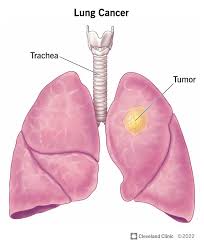 Lung cancer is a deadly form of cancer that begins in the cells of the lungs. It is the leading…
 Epilepsy is a chronic neurological disorder that affects people of all ages and is characterized by recurrent seizures, which are…
- Breast cancer awareness month: October Breast cancer is a disease in which cells in the breast grow out of control,…