

Mon – Fri: 07:00 – 17:00
Weekends: By appointment
Holidays: By appointment
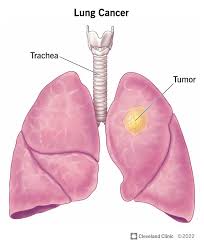
Lung cancer is a deadly form of cancer that begins in the cells of the lungs. It is the leading cause of cancer deaths worldwide, with smoking being the biggest risk factor. Lung cancer typically doesn’t cause symptoms early on, and when symptoms do appear, the disease is often advanced.
Causes
– Smoking any tobacco products, including cigarettes, cigars or pipes is the biggest single risk factor for lung cancer. Experts estimate that 80% of lung cancer deaths are smoking-related.
– Other risk factors include second-hand smoke exposure, radon exposure, air pollution, and a family history of lung cancer.
Symptoms
The most common signs of lung cancer include:
– A persistent or worsening cough
– Shortness of breath
– Chest pain, which might be worse when coughing or taking a deep breath
– Hoarseness
– Unexplained weight loss
– Bone pain, fatigue and weakness, headache, swollen lymph nodes, yellowing of the skin and eyes (if the cancer spreads to other parts of the body)

Lung cancer group offers support and education to patients and their families.
Visit: https://www.lungcancergroup.com/
Conventional Management and Treatment Options
– Surgery to remove the tumour and nearby lymph nodes
– Radiation therapy to kill cancer cells
– Chemotherapy to kill fast-growing cells throughout the body
– Targeted drug therapy to target specific gene changes in cancer cells
– Immunotherapy to boost the body’s immune system to fight cancer
Homeopathic Management and Treatment Options
The most promising homeopathic treatments for lung cancer focus on alleviating symptoms, improving quality of life, and potentially extending survival. While homeopathy should not replace conventional treatments, some studies suggest it can be an effective complementary approach.
1. Individualized Homeopathic Regimens:
– A study demonstrated that patients with advanced non-small cell lung cancer (NSCLC) who received individualized homeopathic treatment showed significant improvements in quality of life (QOL) and median survival time compared to those receiving a placebo. The homeopathic group had a median survival of 435 days, compared to 257 days for the placebo group.
2. Specific Remedies:
– Radium Bromatum: This remedy is noted for its use in cases of radiation poisoning and may help alleviate symptoms associated with radiation therapy. The recommended dosage is 3 to 5 pellets of 12X – 30C every 1 to 4 hours until symptoms improve.
3. Symptomatic Relief:
– Homeopathic treatments can help manage symptoms related to lung cancer and its treatment, such as pain, nausea, and fatigue. Homeopaths may prescribe remedies based on individual symptoms and overall health status.
Mechanism of Action
Homeopathy is based on the principle of treating “like with like” and aims to stimulate the body’s natural healing processes.
Considerations
– Consultation with Professionals: It is crucial for patients to consult with experienced homeopaths and their oncologists to ensure that homeopathic treatments are safe and appropriate alongside conventional therapies.
Homeopathic Treatments
- Arsenicum Album – Useful for patients experiencing anxiety, restlessness, and weakness. It may help alleviate symptoms of pain and improve overall vitality.
- Calcarea Carbonica – Often indicated for individuals with a history of respiratory issues, particularly those who feel fatigued and have a tendency to develop infections.
- Hepar Sulphuris Calcareum – Recommended for patients with a tendency to develop abscesses or infections in the lungs, particularly when there is a lot of mucus production.
- Phosphorus – Beneficial for patients who have a dry cough, experience chest pain, and feel weak. It is often used for individuals who are sensitive and have a fear of being alone.
- Silicea – Indicated for patients with chronic lung conditions, especially those who have difficulty expelling mucus and feel chilly.
- Lycopodium – Useful for patients with a history of digestive issues and respiratory problems, particularly when there is a sensation of fullness in the abdomen.
- Natrum Muriaticum – Helpful for patients experiencing emotional distress, particularly those who are melancholic and have a tendency to withdraw socially.
- Sanguinaria – Often indicated for patients with a persistent cough and those who experience pain in the right lung area.
- Ipecacuanha – Used for patients who have a persistent cough accompanied by nausea and vomiting.
- Kali Carbonicum – Recommended for patients with a dry cough and a feeling of tightness in the chest, often seen in those with chronic lung conditions.
Phyto-therapeutic Management and Treatment Options
Phytotherapy, or herbal medicine, has shown some promise in managing lung cancer. Some herbs that may have anti-cancer properties include:
– Green tea (Camellia sinensis)
– Turmeric (Curcuma longa)
– Ginger (Zingiber officinale)
– Garlic (Allium sativum)
– Reishi mushroom (Ganoderma lucidum)
In conclusion, lung cancer is a serious disease that requires prompt medical attention. While smoking cessation and early detection are key to prevention and better outcomes, ongoing research is exploring new treatment options, including targeted therapies and immunotherapy. Patients should work closely with their healthcare team to develop the most appropriate treatment plan for their individual needs.
Tags: Cancer, Cause, Holistic, Homeopathy, Lung Cancer
Category: Cancer
Search
contact info
Related Posts
- Lung cancer is a deadly form of cancer that begins in the cells of the lungs. It is the leading…
 Breast cancer awareness month: October Breast cancer is a disease in which cells in the breast grow out of control,…
 Homeopathy is a complementary and alternative therapy that has been used by cancer patients to alleviate symptoms related to cancer…