


Mon – Fri: 07:00 – 17:00
Weekends: By appointment
Holidays: By appointment
What is depression?
Depression is a constant feeling of sadness and loss of interest. Common characteristics of depression include sadness, emptiness, or irritable mood, accompanied by physical and mental changes that significantly affects the individual’s capacity to function.
Because of false perception, approximately 60% of people with depression do not seek medical help. The stigma surrounding depression causes individuals to feel that they may be rejected from society or their families due to mental health concerns. Treatment of mental health conditions such as depression have shown to be successful. Seeking medical care does not make you weak, it allows you to enjoy life again.
Fact about depression
- Depression is a common mental disorder.
- Globally, approximately 5% of adults suffer from depression.
- More women are affected by depression than men.
- There is effective treatment for mild, moderate, and severe depression.
Symptoms of depression
During a depressive episode, a person experiences a feeling of sadness, irritability, or emptiness. They may feel that they have a loss of interest and pleasure in activities. Depression is different from regular mood fluctuations, lasting most of the day, almost every day, for at least two weeks.
Additional symptoms that may be present includes:
- Poor concentration.
- Feelings of low self-worth or excessive guilt
- Hopelessness about the future
- Thoughts about dying or suicide.
- Changes in weight or appetite.
- Feeling tired or a lack of energy.
- Disruptive sleep.
Depression can be categorized depending on the severity of the symptoms, the number of symptoms and the how it impacts on the person’s ability to function.
Classification of depression:
- Disruptive mood dysregulation disorder
- Major depressive disorder
- Persistent depressive disorder
- Premenstrual dysphoric disorder
- Depressive disorder due to another medical condition
Contributing factors for depressive episodes
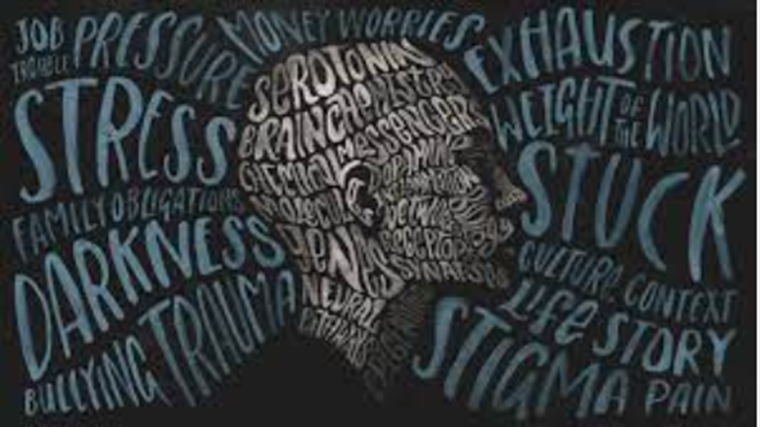
Depression results from a complex interaction of psychological, social, and biological factors. Individuals who may be at higher risk of developing depression, have gone through adverse life events, such as unemployment, bereavement, trauma, and divorce.
Depression may lead to more stress and dysfunction, which may worsen the individual’s life situation and the depression itself. Depression is also very closely related to and affected by the individual’s physical health.
Self-care
Self-care can play an important role in the management of symptoms.
What can you do to improve your well-being when experiencing a depressive episode?
- Keep trying to do activities you used to enjoy.
- Stay connected to friends and family.
- Exercise regularly, even if it is just a short walk.
- Stick to regular eating and sleeping habits as much as possible.
- Avoid alcohol and illicit drugs, as they can make depression worse.
- Talk to someone you trust about your feelings.
- Seek help from a healthcare provider.
Conclusion
Depressive disorder is a complex condition that requires a holistic approach to address its underlying causes effectively. Homeopathy, with its individualized treatment and focus on restoring the vital force, offers a gentle and natural approach to managing depression. Alongside homeopathic remedies, incorporating healthy lifestyle practices can further support mental well-being. Remember, seeking professional guidance from a qualified homeopath is essential to ensure accurate diagnosis and appropriate treatment for depression.
Tags: Depression, Homeopathy, Mental Health
Category: Mental Health
Search
contact info
Related Posts
- What is depression? Depression is a constant feeling of sadness and loss of interest. Common characteristics of depression include sadness,…